

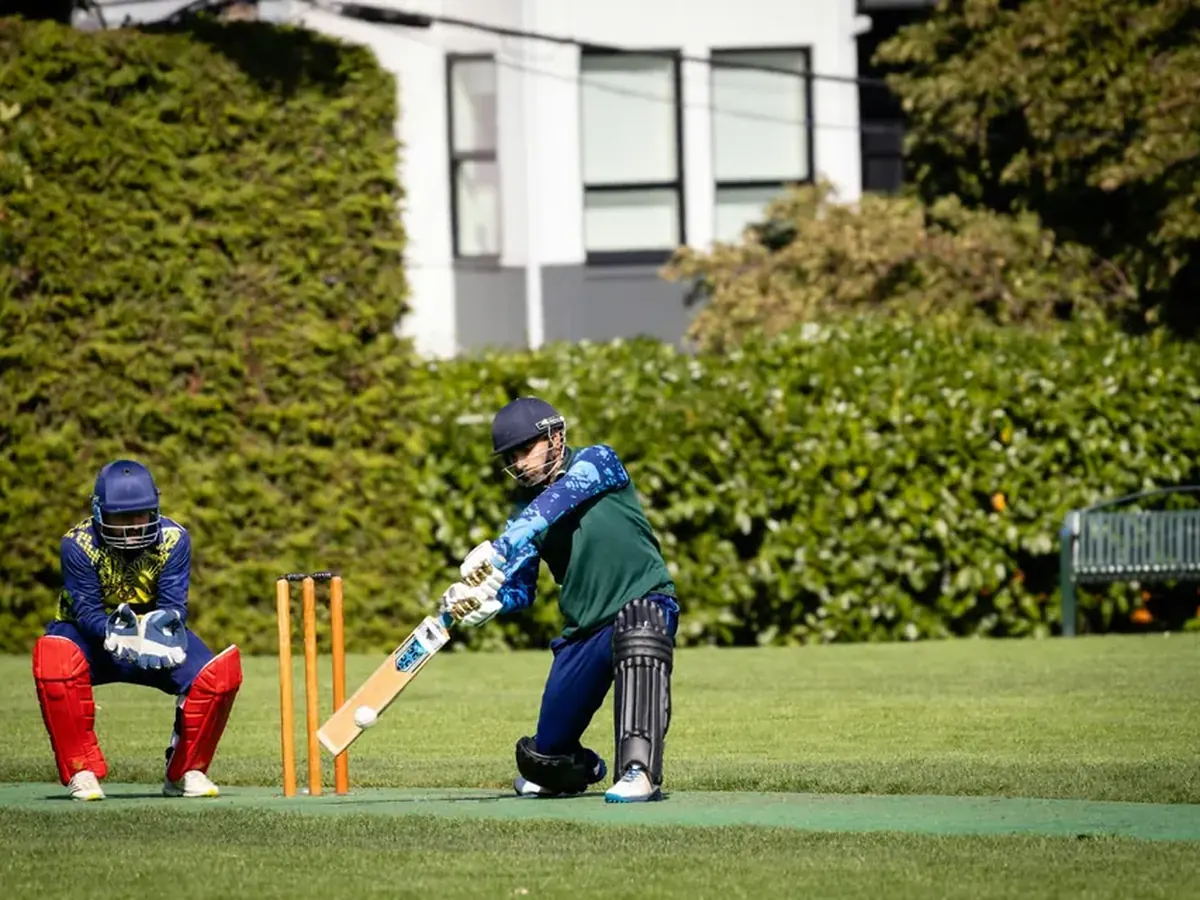
The England Cricket Team does not have a single, fixed home. Instead, its identity is woven into a tapestry of historic venues, each with its own unique character, legacy, and place in the national story. These grounds are more than mere sporting arenas; they are theatres of dreams, cauldrons of pressure, and repositories of history where legends are forged and narratives are defined. From the hallowed turf of Lord's Cricket Ground to the raucous atmosphere of a packed Headingley, England’s home grounds provide the distinctive backdrop against which the drama of Test cricket unfolds. Understanding their history and significance is key to appreciating the cultural and sporting context of the England national cricket team, its triumphs, its tribulations, and its enduring rivalry in contests like The Ashes.
This guide journeys through the most iconic home of the England and Wales Cricket Board (ECB), exploring how these venues have shaped, and been shaped by, the team’s evolution. We will examine the architectural heritage, the legendary matches, and the very spirit of each ground, providing a deeper understanding of the stages upon which modern stars like Ben Stokes, Joe Root, and James Anderson perform.
The Foundational Fortresses: Lord's and The Oval
No discussion of England’s home grounds can begin anywhere but with the two London colossi that form the bedrock of English cricket history.
Lord's Cricket Ground: The Home of Cricket
Established in 1814, Lord's is synonymous with the sport itself. Its very title, ‘the Home of Cricket’, speaks to its unparalleled status. It is the headquarters of the ECB and the Marylebone Cricket Club (MCC), the traditional custodian of the game’s laws. The ground is a living museum, from the iconic Victorian Pavilion and the futuristic Media Centre to the slope that runs across the pitch, a unique topological challenge for bowlers and batters alike.Lord’s is where tradition meets the contemporary game. It hosts the annual Lord’s Test, a fixture of the English summer, and is the venue for showpiece finals. Its significance in The Ashes is profound; the Ashes urn itself resides in the MCC Museum at the ground. Memorable moments are etched into its fabric: Stuart Broad’s 8-15 to skittle Australia in 2015, or the heart-stopping climax of the 2019 World Cup final. Playing at Lord’s carries a weight unlike any other, a fact not lost on any England captain from W.G. Grace to Ben Stokes.
The Oval: The Birthplace of The Ashes
If Lord’s is the home, then The Oval in Kennington is the crucible. It was here, in September 1882, that a shock Australian victory led to the satirical obituary proclaiming the death of English cricket and the subsequent birth of The Ashes. This ground, with its distinctive gas holders and buzzing South London atmosphere, is thus forever linked with cricket’s greatest rivalry.The Oval hosted the first-ever Test match in England in 1880 and remains a favoured venue for series deciders, known for producing results even late in the season. It was here in 2005 that the England Cricket Team famously regained The Ashes after 18 years, a moment of national catharsis. The ground’s character is less formal than Lord’s, often generating a more partisan and energetic crowd, making it a formidable fortress for the home side.
The Northern Powerhouses: Headingley and Old Trafford
The character of English cricket shifts dramatically north of the Trent, where two grounds offer a distinctly different, fiercely passionate environment.
Headingley: The Theatre of Dreams and Miracles
Headingley, in Leeds, is the embodiment of Yorkshire grit and perhaps the most atmospheric ground in the country. Its Western Terrace is legendary for its vocal, knowledgeable, and often boisterous support. The ground is synonymous with against-all-odds victories that have entered cricketing folklore.Two Ashes miracles define Headingley. In 1981, Ian Botham and Bob Willis engineered an impossible win. In 2019, with the England national cricket team following on, Ben Stokes played one of the greatest innings in history, an unbeaten 135, ably supported by Jonny Bairstow and the last-wicket defiance of Jack Leach, to snatch another unforgettable victory. The ground’s conditions often favour swing and seam bowling, making it a happy hunting ground for England’s pace attacks, a tradition continued by bowlers like Stuart Broad.
Old Trafford: The Legacy of Pace and Spin
Old Trafford in Manchester carries a rich history as the heart of cricket in the North-West. Renowned for its pace and bounce in earlier decades, home to legends like James Anderson who honed his craft on its surfaces, the ground has evolved. The development of a large, modern grandstand and a reputation for taking turn later in matches has added new dimensions.It has been the stage for numerous Ashes battles and memorable individual performances. The ground also holds a special place in the story of England's aggressive Test cricket approach under Brendon McCullum and Ben Stokes, where high-scoring, rapid-rate matches have become a feature. Its weather-affected draws and thrilling finishes contribute to its reputation as a complex and compelling Test venue.
The Modern Arenas: Edgbaston and Trent Bridge
While steeped in history, these grounds have successfully modernised to become citadels of passionate, modern support.

Edgbaston: England's Fortress
Perhaps the most vocally supportive ground for the England men's cricket team, Edgbaston in Birmingham creates an atmosphere often compared to a football crowd. The Eric Hollies Stand is particularly famed for its relentless, partisan energy, which many opponents cite as the most intimidating in the country.This reputation as a fortress has been built on famous England victories, particularly in The Ashes. The 2005 two-run win, sealed by Steve Harmison, and the comprehensive victories in 2015 are testament to the advantage the crowd provides. The ground’s facilities are excellent, and its pitch often offers a good balance between bat and ball, encouraging entertaining Test cricket. It is a venue where the current ‘Bazball’ philosophy, demanding positive intent from batters like Ollie Pope and Joe Root, resonates powerfully with the expectant crowd.
Trent Bridge: The Swinger's Paradise
Trent Bridge in Nottingham is a ground of great charm and cricketing specificity. Famous for being a haven for swing bowlers, its conditions have historically favoured skilled practitioners of the art. James Anderson and Stuart Broad have enjoyed tremendous success here, exploiting the traditional movement under grey Nottinghamshire skies.The ground holds the record for the highest-ever Test match total (952-6d by Sri Lanka in 1998) but is equally known for low-scoring thrillers. It was the venue where Stuart Broad produced a spell of 8-15 to demolish Australia in 2015, a performance etched into Ashes history. The compact setting brings spectators close to the action, creating an intimate yet intense viewing experience.
The Rotating Cast: Riverside, Sophia Gardens, and Rose Bowl
The England and Wales Cricket Board (ECB) policy of spreading Test match cricket across the nation has brought other grounds into the fold, each adding its own flavour.
Riverside Ground (Chester-le-Street): The most northerly Test ground in England, it offers a picturesque setting by the River Wear. It has hosted memorable wins, though its frequency of Tests has reduced in recent years. Sophia Gardens (Cardiff): As the home of Welsh cricket, hosting the 2009 Ashes Test was a significant moment. The draw secured there by Paul Collingwood and James Anderson was crucial in England’s eventual series victory. * Rose Bowl (Ageas Bowl, Southampton): A modern, purpose-built venue that came to the fore during the COVID-19 pandemic as a secure bio-secure bubble. It has since cemented its place, hosting memorable matches like Ben Stokes’s first Test as permanent captain in 2022.
The Grounds as a Strategic and Cultural Asset
The diversity of England’s home grounds is a strategic asset. Touring teams face a unique challenge: adapting from the swing and seam of Lord’s or Trent Bridge, to the potential bounce of Old Trafford, the spin of a worn Oval pitch, or the intense pressure of an Edgbaston or Headingley crowd. This variation tests the completeness of any visiting side and allows the England Cricket Team to tailor its selections, a factor in building the formidable home record enjoyed by bowlers like James Anderson.
Culturally, these grounds are community hubs and sources of local pride. The passion of a Headingley crowd differs from the respectful applause of a Lord’s audience, yet both are authentic expressions of support for the national team. This regional diversity, unified under the banner of the England national cricket team, is a core strength of the English game. For a deeper dive into the figures who have graced these stages, explore our comprehensive England cricket statistics glossary.
Conclusion: More Than Just a Venue
The history of England’s home grounds is inextricably linked with the history of its team. From the birth of The Ashes at The Oval to the miracles of Headingley, from the tradition of Lord’s to the roaring fortress of Edgbaston, each venue contributes a chapter to the ongoing story. They are the constant witnesses to evolution: from the timeless battles of the past to the aggressive, fast-paced Test cricket championed by Brendon McCullum and Ben Stokes today. As new stars emerge and new chapters are written—whether by a defiant Jonny Bairstow or a skillful Ollie Pope—they will do so on these historic stages, adding to the rich tapestry that makes following the England Cricket Team a unique and enduring passion.
To further explore the narratives and personalities that have shaped English cricket, including its moments of high drama and controversy, continue your journey through our section on team culture and history and our analysis of England cricket controversies.
Reader Comments (1)