

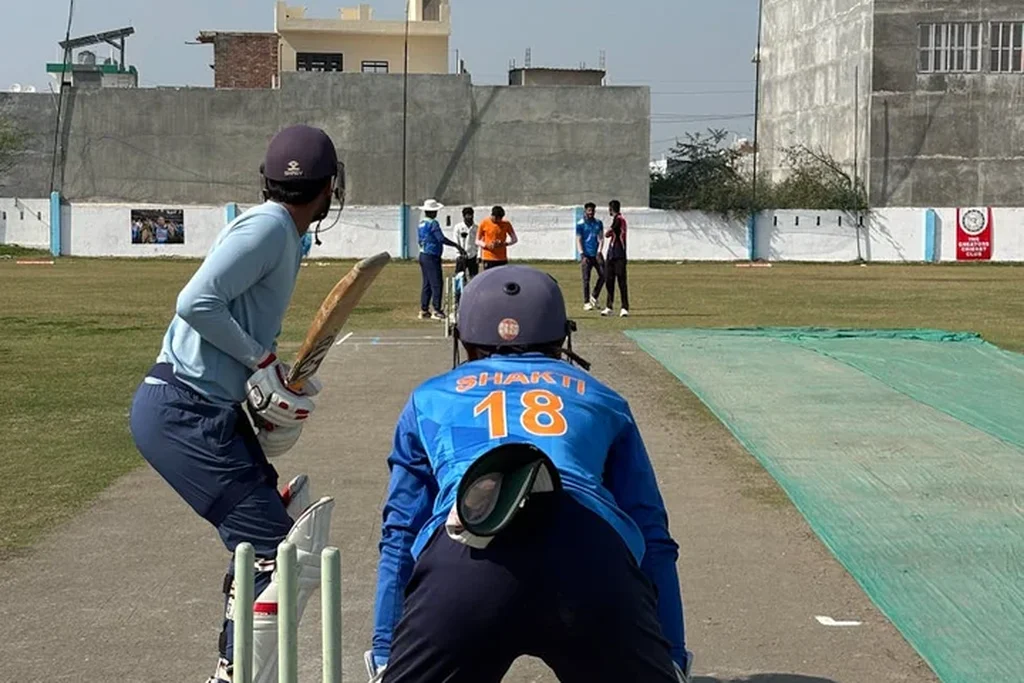
Welcome to The Pavilion's glossary, where we decode the language of cricket. The sport is filled with unique terms that can baffle new fans and even seasoned followers. Today, we're focusing on two of the game's most notorious and often misunderstood deliveries: the bouncer and the beamer. Understanding these terms is key to appreciating the tactical battles, especially in high-stakes contests like The Ashes.
Bouncer
A bouncer is a fast, short-pitched delivery that, after bouncing on the pitch, rears up towards the batter's chest or head. It's a legitimate and strategic weapon used by fast bowlers to intimidate, force a batter onto the back foot, or induce a mistimed shot. While dangerous, it is a controlled and legal part of a bowler's arsenal when bowled within the rules.
Beamer
A beamer is a full-toss delivery that passes the batter above waist-height without bouncing on the pitch. It is almost always accidental, resulting from a bowler's slipped grip or loss of control, and is considered extremely dangerous as it gives the batter no time to react. The delivery is immediately called a no-ball and can lead to official warnings and sanctions for the bowler.
No-Ball
A no-ball is an illegal delivery, with the batting side awarded one run and the bowler required to bowl an extra ball. It can be called for several reasons, including the bowler overstepping the front crease, throwing the ball, or, crucially, for bowling a dangerous full-toss above waist-height (a beamer) to a batter standing in a normal stance.
Short-Pitched Bowling
This refers to deliveries, like bouncers, that are deliberately bowled so they bounce well short of the batter, causing the ball to rise sharply. It's a core tactic in fast bowling, used to disrupt a batter's rhythm and technique. Regulations limit how many short-pitched deliveries can be bowled per over to maintain a balance between contest and safety.
Bodyline
Bodyline was a notorious, aggressive bowling tactic employed by England during the 1932-33 Ashes series in Australia. It involved fast, short-pitched bowling aimed at the batter's body, with a packed leg-side field to catch deflections. The strategy caused a major diplomatic incident and led to significant changes in the laws of the game to protect batters.
Intimidation
In cricket, intimidation is the psychological and physical pressure applied by bowlers, often through sustained short-pitched fast bowling. The aim is to make the batter uncomfortable, fearful, and more likely to make an error. It's a calculated part of Test cricket, walking the fine line between aggressive sport and unacceptable danger.
Helmet
The protective helmet, now mandatory for batters and close fielders, is a direct response to the dangers of fast, short-pitched bowling. Its introduction has fundamentally changed the game, allowing batters to play hook and pull shots against bouncers with significantly reduced risk of serious head injury.
Hook Shot
The hook shot is an aggressive, horizontal-bat stroke played to a short-pitched ball bouncing around chest or head height. It's a high-risk, high-reward shot often used to counter the bouncer, aiming to hit the ball powerfully behind square on the leg side. Playing it successfully is a statement of intent and courage.
Pull Shot
Similar to the hook, the pull shot is played to a short-pitched delivery, but typically one that bounces a little lower, around waist or chest height. The batter swivels and pulls the ball, usually in front of square on the leg side. It's a key scoring shot against pace bowling and a hallmark of an attacking batter like Ben Stokes.
Duck
A 'duck' is when a batter is dismissed without scoring any runs. The term originates from the shape of a duck's egg resembling a zero on the scorecard. A 'golden duck' is being out on the very first ball faced, a fate batters are especially keen to avoid against bowlers firing in bouncers early.
Yorker
A yorker is a delivery aimed to pitch right at the batter's feet, usually targeting the base of the stumps. It's the antithesis of a bouncer, bowled full and fast to squeeze under the bat. It's a crucial death-over weapon in limited-overs cricket and a clever change-up in Test matches to keep a batter guessing.
Full Toss
A full toss is a delivery that reaches the batter without bouncing on the pitch. When bowled at a good length (below waist height), it can be a gift for a batter to drive. However, a high full toss (a beamer) is illegal and dangerous, as the batter has less time to adjust their shot.
Seamer
A seamer is a fast bowler who specializes in making the ball deviate off the pitch by hitting the seam. While they may use the bouncer, their primary skill is seam movement. James Anderson is the quintessential example, a master of control and swing rather than pure, intimidating pace.
Pace Attack
This refers to a team's contingent of fast bowlers. A potent pace attack, capable of bowling consistent bouncers and yorkers at high speed, is often seen as the key to winning in modern Test cricket. The England Cricket Team under Brendon McCullum has often relied on a varied pace attack to implement its aggressive plans.
Nightwatchman
A nightwatchman is a lower-order batter, often a bowler, sent in to bat late in the day's play to protect a more skilled batter from having to face a fresh spell of hostile bowling, including bouncers, before the close. It's a traditional, defensive tactic used to preserve key players like Joe Root.
Declaration
A declaration is when the batting captain voluntarily ends their team's innings before all ten wickets have fallen. In the context of England's aggressive Test cricket approach, a bold declaration is used to set up a match, giving the bowling side more time to try and bowl the opposition out, even if it risks losing.
Follow-on
The follow-on is a rule where the team batting second can be forced to bat again immediately if they trail by a certain margin (200 runs in a five-day Test) after the first innings. It's a powerful lever for the team bowling last, as they can enforce it to keep the opposition under pressure, often facing a tired but fired-up pace attack.
Dukes Ball
The Dukes ball is the brand of cricket ball used in Test matches in England and the West Indies. It is renowned for its pronounced seam and tendency to maintain its condition, aiding conventional swing and seam bowling for longer periods. This characteristic helps bowlers like Stuart Broad and James Anderson generate movement that can set up batters for the bouncer.
The Hundred
While not directly related to bouncers, The Hundred is a 100-ball-per-side professional franchise league in England and Wales, run by the England and Wales Cricket Board (ECB). Its fast-paced format places a premium on aggressive batting and clever, defensive bowling variations to restrict scoring.
Back Foot
Playing off the back foot involves the batter moving their weight onto their rear foot, typically to handle short-pitched bowling like bouncers. It's a defensive or counter-attacking position used for shots like the cut, pull, and hook. A solid back-foot technique is essential for survival against a hostile fast bowler.
Crease
The crease refers to the lines marked on the pitch at either end. The batting crease is the line a batter must keep their bat or body grounded behind to avoid being stumped or run out. For bowlers, the front-line of the bowling crease must not be overstepped when delivering the ball, or a no-ball is called.
Leg Before Wicket (LBW)
LBW is a mode of dismissal where the ball, which would have hit the stumps, strikes the batter's leg (or body) first without them offering a shot. A well-directed bouncer can sometimes force a batter into an awkward position, making them more vulnerable to a follow-up full, straight delivery that traps them LBW.
Wicketkeeper-Batter
A wicketkeeper-batter is a player who specializes in both wicketkeeping and batting. In the modern game, they are expected to be dynamic contributors with the bat. Jonny Bairstow epitomizes this role for the England national cricket team, often changing a game with his aggressive strokeplay against all types of bowling.
Top Order
The top order refers to the first three or four batters in a team's lineup (e.g., openers, number three). Their primary role is to see off the new ball and the opposition's best bowlers when they are fresh and bowling bouncers. A player like Ollie Pope, often batting at number three, has the critical job of stabilizing or accelerating the innings from this key position.
Home of Cricket
Lord's Cricket Ground in London is traditionally referred to as the 'Home of Cricket'. It is the headquarters of the England and Wales Cricket Board (ECB) and the Marylebone Cricket Club (MCC), the guardian of the Laws of the game. Its famous slope and atmosphere have witnessed countless historic battles involving bouncers and beamers throughout Ashes history.
In summary, the bouncer and the beamer sit at opposite ends of cricket's spectrum of danger: one a calculated, legal tactic, the other an accidental and serious breach. Understanding these terms, and the broader glossary around them, deepens your appreciation for the skill, strategy, and inherent risks in the sport. From the bodyline series to the modern Bazball era, how teams and players manage these dangerous deliveries continues to shape the narrative of Test cricket.
Reader Comments (1)