

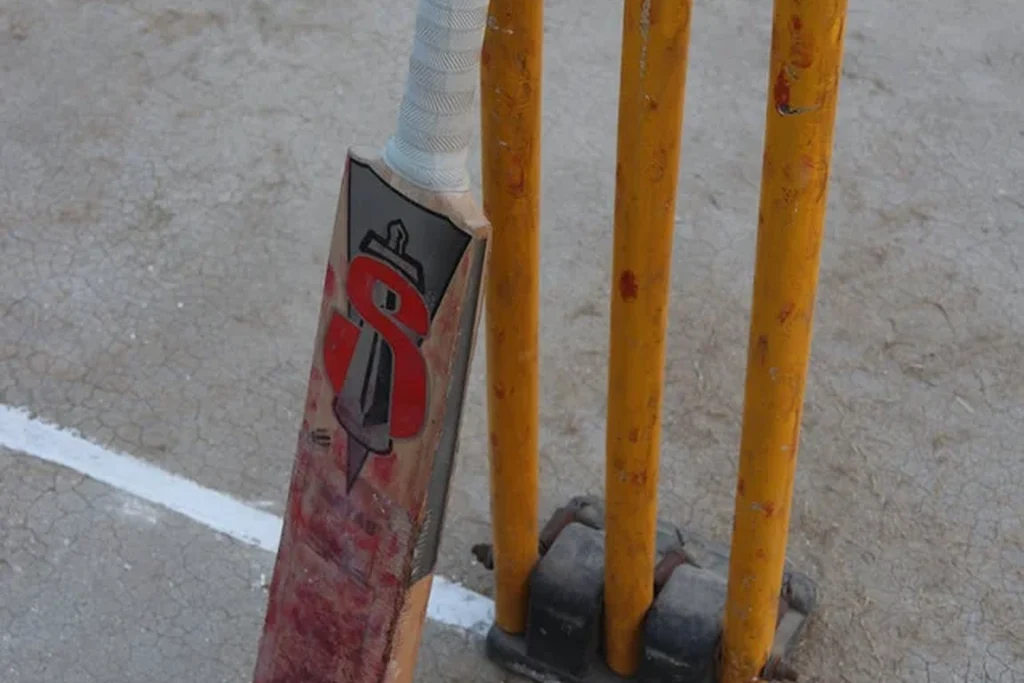
Cricket can be a complicated game, full of pauses, restarts, and moments where the action just... stops. One of the most common ways this happens is with the call of "dead ball." It's a fundamental part of the game's flow, but the reasons behind it aren't always clear to new fans. This glossary breaks down the key situations you'll see, helping you understand exactly when and why the umpire's call halts play.
Dead Ball
In cricket, a 'dead ball' is the state of play when no runs can be scored, no wickets can be taken, and no batters can be dismissed. The ball becomes dead immediately after the umpire calls or signals it, effectively pausing the game. It's called to deal with interruptions, unfair situations, or when the ball is no longer in play, ensuring the contest remains fair for both sides.
Call of 'Dead Ball' by Umpire
An umpire will verbally call "dead ball" and use a specific signal (crossing and uncrossing their wrists below the waist) to officially halt play. This call is final and overrides anything else happening on the field. It can be made for numerous reasons, from a distraction to the batter to the ball becoming trapped in a player’s clothing.
Ball Becomes Dead Automatically
There are many instances where the ball becomes dead by law, without requiring an umpire's call. Common examples include when the ball finally settles in the hands of the wicketkeeper or bowler, when a boundary is scored, when a batter is dismissed, or when a penalty run is awarded. Play cannot resume until the bowler begins their next delivery.
Batter Distraction
If a member of the fielding side distracts the striker while they are preparing to receive or receiving a delivery, the umpire will immediately call and signal dead ball. This prevents unfair play, such as a fielder making a sudden movement or noise. Any runs attempted off that delivery do not count, and the ball is not counted as one of the over.
Ball Lodges in Batter's Clothing or Equipment
If a live ball becomes lodged in the batter’s pads, helmet, or any part of their clothing, the ball is declared dead immediately. This is a clear safety measure to prevent the ball from falling out unexpectedly and causing confusion or injury. No runs can be scored from such an incident, unless they were already completed before the ball became trapped.
Ball Lodges in Umpire's or Fielder's Clothing
Similarly, if the ball gets stuck in the clothing or equipment of an umpire or a fielder, it is declared dead. This stops the often comical scenario of players chasing someone to retrieve the ball. Any runs in progress are added only if the batters had already crossed at the instant the ball became lodged.
Unfair Play by Fielding Side
The umpire can call dead ball if they deem the fielding side has engaged in unfair play. This is a broad category but is designed to protect the spirit of the game. A famous modern example involved Jonny Bairstow at Lord's Cricket Ground in the 2023 Ashes series, where controversy arose from a stumping that many argued was against the spirit of cricket, though the ball was not technically dead at the time.
Dangerous and Unfair Bowling
If a bowler delivers a beamer (a full-toss above waist height) or any other delivery deemed dangerous or unfair, the umpire will call dead ball as soon as it becomes safe to do so. This call is accompanied by an immediate no-ball signal. The delivery doesn't count in the over, and the batting side is awarded penalty runs.
Ball in the Air When Batter is Dismissed
The moment a batter is given out caught, the ball becomes dead from the instant of the dismissal. This means that if the ball is still in the air from the catch and another batter could theoretically be run out, it is not permitted. This law prevents double dismissals from a single delivery.
Ball Finally Settled
This is one of the most common automatic dead ball situations. The ball is considered dead when it is in the opinion of the umpire "finally settled" in the hands of the wicketkeeper or the bowler. Essentially, it means all active play from that delivery has concluded, and the fielding side is preparing for the next ball.
Over or Time Called
When the umpire calls "Over" to signal the end of the six (or eight) legal deliveries, or calls "Time" to signal an interval or the end of the session, the ball is immediately dead. Play cannot resume until the umpire calls "Play" again. This is a fundamental part of managing the structure of a Test match or any other format.
Ball Touches a Helmet on the Ground
If a live ball touches a helmet (or any other piece of protective equipment) that is lying on the ground behind the wicketkeeper, the ball becomes dead instantly. The batting side is automatically awarded 5 penalty runs. This rule was highlighted when Stuart Broad accidentally deflected a ball onto a helmet during a Test match.
Umpire Intervention
An umpire may call dead ball if they need to intervene in play for reasons not covered by other laws. This could be for a serious injury on the field, a pitch invader, or an object like a plastic bag blowing across the pitch and interfering with play. The aim is to reset the game to a fair state after an unforeseen interruption.
Batter Not Ready
If the striker indicates they are not ready to receive the delivery, and the bowler bowls anyway, the umpire can call dead ball. This must be a clear signal from the batter, such as raising a hand or turning away. The ball is not counted in the over, provided the bowler did not complete their delivery stride before the signal was given.
Lost Ball
If a ball in play is lost and cannot be recovered, the umpire will call dead ball. This is rare in professional cricket but can happen in park games. The batting side is awarded runs for every run they had completed, plus any they were in the process of completing when the ball was deemed lost.
Penalty Runs Awarded
When penalty runs are awarded to either team—for offences like the fielding side illegally damaging the pitch or the batting side deliberately running short—the ball becomes dead at the moment the penalty is awarded. The runs are then added to the team's total before play resumes.
Ball Hits Spidercam or Other Object
In modern stadiums, if a live ball in play strikes an external object like a spidercam wire, a drone, or even a bird, the umpire will call dead ball. The delivery is then declared a "dead ball" and must be bowled again, as the external interference is considered an unfair determinant of the ball's path.
Fake Fielding
Introduced more recently, if a fielder deliberately feigns a fielding action to deceive the batters (for example, pretending to throw when they don't have the ball), the umpire can signal dead ball. The batting side is then awarded 5 penalty runs, and the ball does not count in the over, punishing this act of unfair deception.
Bowler Drops Ball Before Delivery
If the bowler accidentally drops the ball during their run-up or delivery stride and it rolls towards the batter, the umpire will usually call dead ball. This prevents a situation where a ball rolling along the ground could be considered a valid, and potentially dangerous, delivery. The bowler must then return to their mark and bowl again.
Ball Strikes a Dismissed Batter
If a live ball hits a batter who has already been given out on that delivery before they have left the field, the ball becomes dead immediately. This prevents further, unnecessary play involving a player who is technically no longer part of the active game. Any runs attempted after the dismissal do not count.
Wicket Broken While Ball is Dead
A crucial point of law is that a wicket cannot be put down (broken) while the ball is dead. For example, if a batter wanders out of their crease during a dead ball period, they cannot be stumped or run out. The ball must be live for a dismissal to occur, a rule that has led to many dramatic and controversial moments.
Recall of Batter
In rare cases, if the umpires realise they have made an error in giving a batter out, they can recall them to continue their innings. The ball is considered to have been dead from the moment of the incorrect dismissal call, and the game is reset to that point. This is a correction mechanism to uphold fairness.
Signal to Scorers
After calling dead ball, the umpire will always signal to the scorers to ensure the scorebook is updated correctly. This is typically the same crossed-wrists signal. It informs the scorers that no further action from that delivery should be recorded, unless specific penalty runs or no-balls were signalled before the dead ball call.
Impact on Batting Approach
Understanding dead ball laws is part of modern batting strategy. Under the aggressive leadership of captain Ben Stokes and coach Brendon McCullum, England's aggressive Test cricket approach encourages batters to push the limits. Knowing when the ball is dead—and therefore when they can safely leave their crease—is a key part of this proactive, attacking mindset.
Summary
So, the call of "dead ball" is far from a simple pause in play. It's a complex set of rules designed to ensure safety, fairness, and the smooth running of the game. From protecting batters from distraction to dealing with lost balls and stadium equipment, these laws are fundamental. Whether you're watching a tense Ashes series or a local club match, knowing these situations will deepen your appreciation for cricket's intricate laws and the crucial role of the umpire in enforcing them. For more on the game's rules, explore our full cricket terminology glossary.
Reader Comments (0)