


Cricket Powerplay Rules: A Complete Breakdown for All Formats
In the modern era of cricket, few tactical phases are as pivotal or as scrutinised as the Powerplay. These mandated periods of fielding restrictions are not just administrative rules; they are the strategic engine rooms of a match, setting the tone, defining the contest between bat and ball, and often determining its ultimate outcome. For fans of the England Cricket Team, understanding the nuances of the Powerplay is key to appreciating the high-stakes drama of an Ashes series or the explosive intent of a white-ball chase.
Whether it's the careful navigation of the new ball in a Test match at Lord's Cricket Ground or the frenetic, boundary-laden onslaught at the start of a T20 innings, the Powerplay dictates terms. Under the leadership of Ben Stokes and the guidance of England Test coach Brendon McCullum, England's approach to these phases, particularly in Tests with their aggressive mindset, has become a fascinating case study in maximising opportunity. This guide provides a complete breakdown of the Powerplay rules across all formats, explaining their evolution, strategic implications, and how they shape the game we watch today.
What is a Powerplay in Cricket?
At its core, a Powerplay is a set number of overs at the start of an innings during which fielding restrictions are in place, limiting the number of fielders allowed outside the 30-yard circle. The primary objective is to encourage attacking cricket: by forcing the fielding side to have more players in catching positions, it theoretically gives the batting side a better opportunity to score boundaries in the early overs when the ball is hard and new.
The concept was formally introduced in One-Day Internationals (ODIs) in 2005, revolutionising the strategy of the 50-over game. Its success in creating more dynamic and viewer-friendly cricket led to its adoption in the T20 format. While traditional Test cricket does not have a formally named "Powerplay," the first hour of a Test match, often with the new ball in the hands of bowlers like James Anderson and Stuart Broad, operates under similar strategic principles of attack and exploitation, a phase the current England regime under Bazball has sought to dominate aggressively.
Powerplay Rules by Format: A Detailed Look
The specific regulations governing Powerplays differ significantly between limited-overs formats. Understanding these distinctions is crucial for any tactical analysis.
One-Day International (ODI) Powerplay Rules
The ODI Powerplay structure has evolved over time and was last updated in 2012. It is now divided into three distinct blocks:
- Powerplay 1 (Overs 1-10): This is the most restrictive phase. Only two fielders are permitted outside the 30-yard circle. This mandates an attacking field with multiple catching positions, such as slips and gullies, encouraging the bowlers to attack the stumps and the batters to play their shots.
- Powerplay 2 (Overs 11-40): During this middle phase, four fielders are allowed outside the circle. This offers the fielding captain more flexibility to set defensive or containing fields, making it a period for consolidation for batters and a time for bowlers to build pressure.
- Powerplay 3 (Overs 41-50): In the final assault, the restrictions are eased slightly to allow five fielders outside the circle. This helps protect the boundaries in the death overs while still keeping some in-fielders for run-saving and catching opportunities.
Twenty20 (T20) Powerplay Rules
The T20 Powerplay is simpler and more explosive, designed to maximise action from the first ball.
It encompasses only the first six overs of the innings. During this phase, a maximum of two fielders are allowed outside the 30-yard circle. This rule creates a clear, high-intensity launchpad. Batters like Jonny Bairstow often look to capitalise aggressively, while bowlers aim for early wickets to derail the innings. The fielding captain has very few defensive options, promoting a pure contest between bat and ball.
Test Cricket: The "Unofficial" Powerplay
While Test matches have no codified Powerplay, the concept is deeply embedded in its fabric. The first 10-15 overs with the new ball are a critical power phase. The fielding side, much like in a limited-overs Powerplay, will typically employ attacking fields with multiple slips and gullies to support their fast bowlers. The England national cricket team's recent philosophy, pioneered by Brendon McCullum and Ben Stokes, has been to treat this phase with aggressive batting intent, aiming to seize the initiative from the bowlers—a hallmark of their aggressive Test cricket approach. Conversely, bowlers like Anderson see this as the prime time to take wickets with minimal defensive cover in the outfield.
Strategic Importance: How Teams Use the Powerplay
The Powerplay is not just about rules; it's about the battle of wits it creates.
For the Batting Side: Foundation & Exploitation: The goal is twofold: protect wickets while scoring at a high rate. Players like Joe Root excel at rotating strike and finding gaps, while others may look to hit over the top. Match-Ups: Teams will often plan their batting order to target specific bowlers during the Powerplay. A left-hand/right-hand combination can disrupt a bowler's line and force fielding changes. Intent: The modern game, especially as played by England, values positive intent. As seen with batters like Ollie Pope, even in Tests, using the fielding restrictions—official or not—to apply scoreboard pressure is a key tactic.
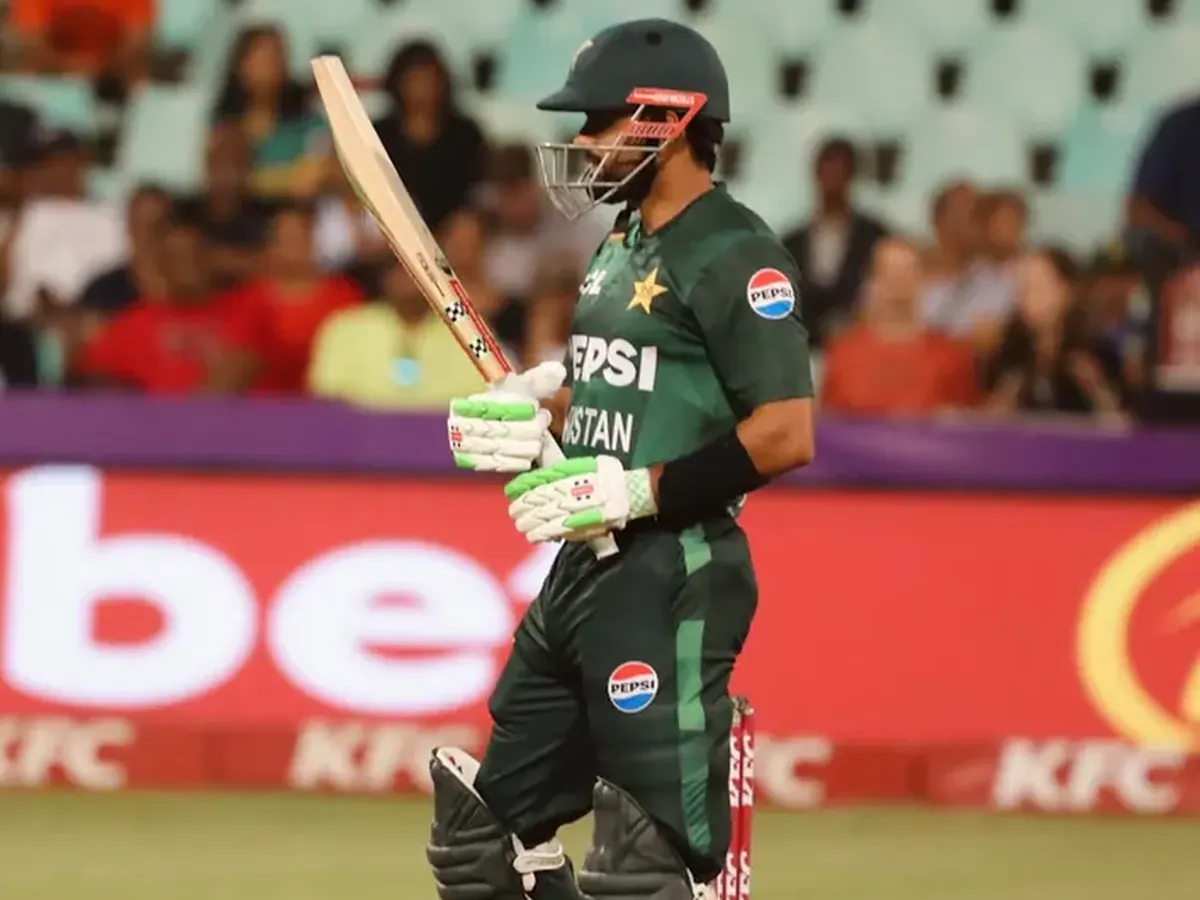
For the Fielding Side: Wicket-Taking: The primary aim is to use the attacking field to take early wickets. A breakthrough in the Powerplay can shackle the batting side for the rest of the innings. Containment Plan: If wickets aren't falling, the focus shifts to bowling dot balls and building pressure, forcing the batters into risky shots. The captain's ability to set intelligent fields within the restrictions is tested. Bowler Selection: Captains and coaches select bowlers specifically for Powerplay duty—those who can swing or seam the ball, or deliver accurate, hard-to-hit lengths.
Key Rules and Common Misconceptions
The 30-Yard Circle: This is the measured radius from the centre of the pitch. All restrictions are defined by how many fielders are outside this circle. Infielders Must Be Within: During a restricted Powerplay (2 fielders out), the other nine fielders must be inside the circle. They do not all have to be in catching positions; some can be on the ring saving singles. Penalties: Breaching the fielding restrictions results in a no-ball being called, and the batting side is awarded a free hit on the subsequent delivery. This is a significant penalty that can change the momentum of an over. Misconception: "You must have close catchers." While common, it's not a rule. A captain could, in theory, have all nine infielders on the 30-yard ring. However, this would be tactically unusual as it forfeits the wicket-taking opportunity the restrictions provide. Link to Other Laws: Powerplay fielding restrictions interact with other cricket laws. For instance, a batter's technique in protecting their stumps is crucial, as being out leg before wicket (LBW) is a major risk when playing aggressively with a packed infield. You can delve deeper into this complex dismissal in our guide to the leg before wicket (LBW) rule.
Evolution and Impact on the Modern Game
The introduction of the Powerplay has fundamentally altered cricket's DNA. It accelerated scoring rates in ODIs, which had begun to stagnate in the early 2000s. It directly led to the development of new batting skills: the ramp shot, the scoop, and power hitting over extra cover are all designed to score in areas left vulnerable by the restrictions.
For the England and Wales Cricket Board (ECB) and other governing bodies, it was a direct response to making the game more entertaining for broadcast audiences. The success of this is undeniable. The T20 Powerplay, in particular, has created a guaranteed period of high-octane action that has become a staple of the franchise cricket boom.
The strategic ripple effects are vast. It has increased the value of "death bowlers" who can bowl at the end, and "Powerplay specialists" who can strike with the new ball. It has also sparked debates on fairness, much like the ongoing discussions surrounding the cricket 'Mankading' rule controversy, showing how rule changes continually shape the sport's ethical and tactical landscape.
Practical Tips for Players and Analysts
For Batters: Have a clear plan. Identify your scoring areas against the bowler you're facing. Look to rotate strike with low-risk shots to the open spaces. Don't be afraid to use the pace of the ball, but pick your moments to go big. For Bowlers: Accuracy is king. Hitting a consistent, hard length just outside off-stump is often more effective than searching for extravagant swing. Plan with your captain: know your field and what shot you are trying to induce. For Captains: Be proactive, not reactive. Have fielding plans for each bowler and each batter. If a plan isn't working, change it quickly within the confines of the rules. Communication with your bowlers is essential. For Fans & Analysts: Don't just watch the ball. Watch the field placements before each delivery. Ask: why is the captain placing that fielder there? What weakness in the batter is he targeting? How is the batter responding? This deeper level of observation, much like understanding the full cricket terminology glossary, enriches the viewing experience immensely.
Conclusion: The Defining Phase
From the tense, strategic opening of an Ashes Test to the blistering start of a T20 World Cup match, the Powerplay—whether formal or de facto—sets the narrative. It is a period of heightened risk and reward, a concentrated showcase of skill, planning, and nerve. The England men's cricket team's embrace of aggressive strategies during these phases, particularly in Test cricket, has made their games must-watch events, illustrating how a mindset can exploit the fundamental conditions of the sport.
Understanding the Powerplay rules is to understand the modern game's heartbeat. It explains why certain players are selected, why certain shots are played, and why a wicket in the first ten overs can be worth so much more than one later on. As the game continues to evolve, the principles of the Powerplay—maximising advantage under restriction—will remain at the very centre of cricket's enduring tactical battle.
Ready to deepen your cricket knowledge? Explore our comprehensive cricket terminology glossary to master the language of the game.
Reader Comments (2)