

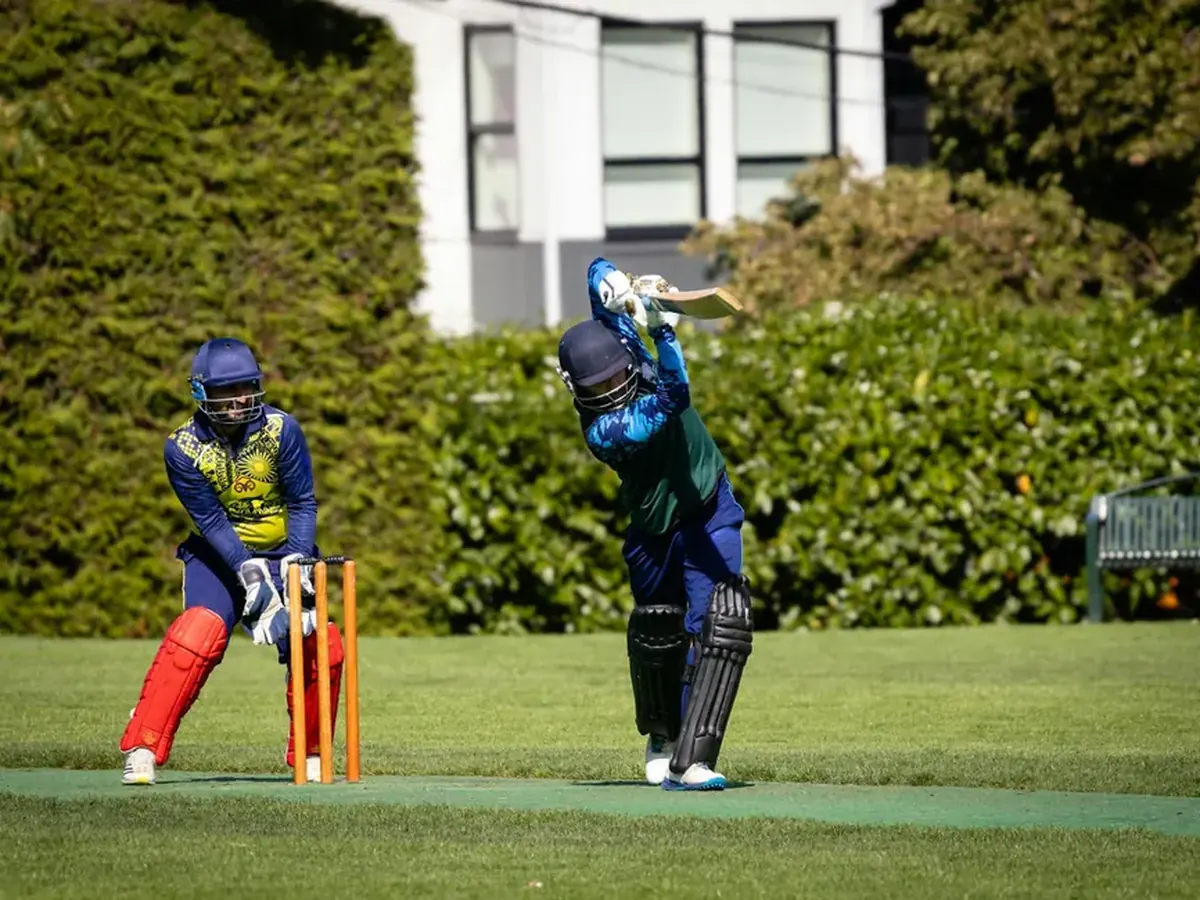
England Wicketkeeper Selection: Key Criteria and Modern Demands
The role of the England wicketkeeper has undergone a seismic shift. No longer is it sufficient to be a silent, efficient gloveman, a specialist whose primary contribution is measured in dismissals. In the modern era, particularly under the transformative leadership of captain Ben Stokes and head coach Brendon McCullum, the wicketkeeper is a central pillar of strategy, a key batter, and a vital tactical sounding board. Selecting the right individual for this multifaceted role is one of the most consequential decisions the England and Wales Cricket Board (ECB) selection panel faces. It balances tradition with innovation, technical purity with explosive intent, and can define the outcome of an Ashes series. This guide delves into the essential criteria shaping England wicketkeeper selection today.
The Evolution of the Role: From Specialist to Strategic Linchpin
Historically, England’s selection often erred towards the specialist keeper, especially in home conditions where the ball moves. Figures like Bob Taylor and James Foster were celebrated for their artistry behind the stumps, with their batting seen as a bonus. This philosophy began to change in the white-ball era before being fundamentally redrawn in the Test arena with the advent of England's aggressive Test cricket approach.
Under Brendon McCullum and Ben Stokes, the England Cricket Team plays at a relentless tempo. This places new demands on every player, but none more so than the wicketkeeper. They must now: Contribute Rapid Runs: Often batting at No. 7, they are expected to maintain or accelerate the scoring rate, turning 350 into 450 in a session. Manage High-Pressure Situations: They frequently enter after a collapse or with the tail, requiring a clear head and aggressive instincts. Support the Bowling Strategy: They are the captain’s chief confidant on field placements, bowler fatigue, and the state of the ball, requiring acute cricketing intelligence.
The keeper is no longer just a position; it is a core leadership role within the England national cricket team.
Core Criterion 1: Batting Impact and Tempo
This is the most visible and debated shift in selection policy. The bare minimum of competent defence is no longer enough. The selectors now demand match-defining batting impact.
Strike Rate as a Weapon: In the context of Bazball, a high strike rate is a strategic tool. A keeper capable of scoring at 70+ runs per 100 balls changes game dynamics, pressures opposition captains, and makes declarations more potent. This was exemplified by Jonny Bairstow’s breathtaking summer in 2022. Versatility and Role Clarity: Can the player adapt their game? They must be able to counter-attack against spin on day five in Asia, as well as handle the moving Dukes ball at Lord's Cricket Ground. Their role must be clearly defined within the team’s batting blueprint, whether as a pure aggressor or a adaptable player like Joe Root who can shift gears. Mental Resilience: The psychological demand is immense. Transitioning from a demanding keeping session, perhaps standing up to James Anderson or Stuart Broad, straight into a high-octane batting innings requires exceptional mental fortitude.
Core Criterion 2: Wicketkeeping Proficiency: The Non-Negotiable Foundation
While batting weight has increased, elite glovework remains the non-negotiable foundation. A dropped catch, especially of a key batter in a tight Test match, can undo hours of aggressive batting. The standards are nuanced:
Standing Back to Pace: This is the bread and butter in England. The keeper must have immaculate technique against high pace and late movement, providing confidence to a seam attack built around masters of swing like Anderson and Broad. Consistency in taking edges, including one-handed snares, is paramount. Standing Up to the Stumps: This skill differentiates the good from the great. The ability to stand to medium-pace or spin, effecting lightning-fast stumpings and catching nicks off the bat-pad, is crucial on global tours. It turns good spinners into wicket-taking threats. Game Awareness: A great keeper anticipates. They read the bowler’s plan, the batter’s footwork, and the pitch conditions to position themselves optimally. This proactive instinct saves vital runs and creates dismissal opportunities.
Core Criterion 3: Tactical Acumen and On-Field Leadership
The wicketkeeper has the best view in the house. In the England setup, they are expected to be a deputy captain, a role previously seen in figures like Alec Stewart.
Partnership with the Captain: Ben Stokes is a proactive, instinctive leader. His keeper must be a perfect foil—offering concise, insightful feedback on bowler rhythms, field placements, and the batter’s weaknesses. This silent communication is a force multiplier. Managing the Bowling Attack: They work closely with the bowlers, understanding when a James Anderson needs an attacking field or when a spinner needs protection. They help set the field for the plan, often seen orchestrating the slip cordon with the likes of Joe Root and Ollie Pope. Reading the Game: Understanding match situations—when to attack with a catching cover, when to defend—and conveying this calmly is an intangible yet critical skill. It’s about thinking two hours ahead, a hallmark of the McCullum-Stokes era.

Core Criterion 4: Physical and Mental Durability
Test cricket is a marathon. The wicketkeeper is the only player involved in every single ball of the fielding innings.
Physical Conditioning: The role is brutally demanding. Modern keepers must be exceptional athletes, with strong cores, agile reflexes, and the stamina to perform for five consecutive days, often in extreme heat or humidity during tours. Their fitness directly impacts their batting output. Mental Stamina: Concentration is absolute. A single lapse can be catastrophic. The ability to reset after a byes, a dropped chance, or a poor batting innings is essential. The environment fostered by Stokes and McCullum encourages freedom, but it demands mental resilience to handle failure and success equally.
Core Criterion 5: Synergy with the Broader Squad Strategy
Selection does not happen in a vacuum. The choice of wicketkeeper is intrinsically linked to the overall squad selection guide.
Balancing the Side: Does the team need a pure batter-keeper at No. 7, allowing for a stronger bowling attack? Or does the presence of all-rounders like Ben Stokes allow for the selection of a slightly less explosive but technically superior keeper? The makeup of the top six, including players like Root and Pope, influences this decision. Tour Conditions: Selection for a tour of India, where keeping to spin is paramount, may differ from an Ashes squad where handling seam is key. The choice might also affect the England touring party selection logistics, as a back-up keeper with specific skills may be required. Long-Term Development: The selectors must weigh immediate needs against long-term succession planning. Is the candidate the solution for the next five years, bridging series like The Ashes and challenging overseas tours?
Practical Application: Case Studies in Modern Selection
The recent history of the England men's cricket team provides clear examples of these criteria in action:
Jonny Bairstow’s Peak (2022): Here, batting impact (devastating centuries at a rapid strike rate) outweighed occasional keeping lapses. His ability to change games single-handedly embodied the new philosophy. His synergy with Bazball was perfect. The Return of the Specialist (Foakes, 2023-24): The selection of Ben Foakes for tours to Asia acknowledged Criterion 2 (superlative keeping, especially to spin) and Criterion 5 (tour conditions). His technically sound batting also provided stability in challenging environments, supporting the aggressive top order. The Hybrid Demand: The current dilemma for selectors is finding the player who can deliver 85-90% of Foakes’s glovework with 85-90% of Bairstow’s batting impact. This “hybrid” is the modern ideal, a player who satisfies the high demands of both core disciplines.
Conclusion: The Most Demanding Role in the Side
Selecting the England wicketkeeper is a complex calculus of skill, temperament, and strategy. It requires balancing the timeless virtue of wicketkeeping excellence with the modern imperative of batting firepower and tactical intelligence. The England and Wales Cricket Board (ECB) selectors are not just choosing a player; they are choosing a key architect of the match’s pace, a guardian of the bowling strategy, and a potential match-winner with the bat.
As the England Cricket Team continues to evolve, so too will the criteria for this pivotal role. The successful candidate will be the ultimate modern cricketer: an athlete, a strategist, and an entertainer, capable of producing a moment of magic behind the stumps or changing the game with the bat in hand. It is, without doubt, the most demanding role in the side.
Explore our comprehensive guides to understand other critical selection decisions, such as the complexities of England spin bowling selection and the off-field planning involved in assembling an England touring party.
Reader Comments (1)