

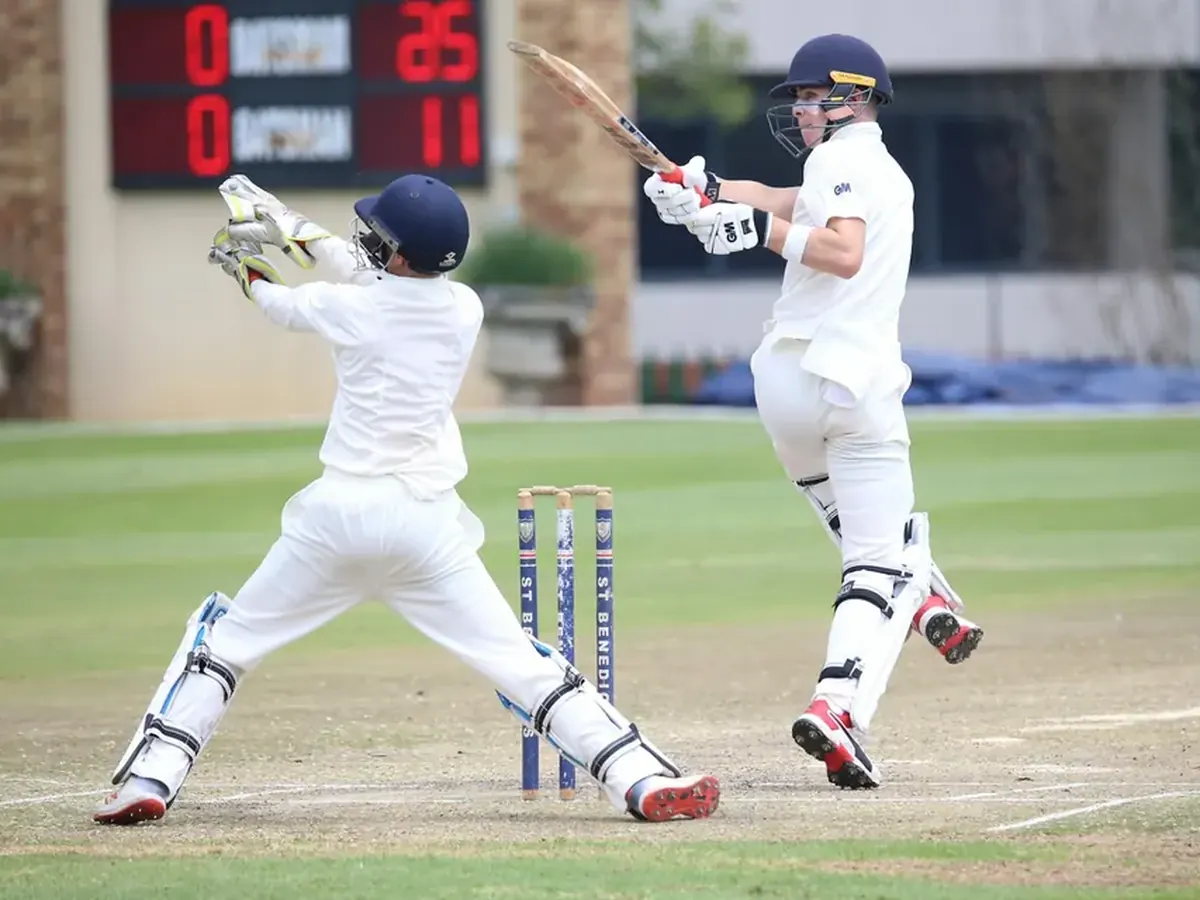
Evolution of Ashes Kit & Cricket Gear Through the Ages
The contest for The Ashes is defined by more than just runs and wickets. It is a battle of identity, tradition, and technological progress, all visibly embodied in the kit and equipment used by the combatants. From the pristine whites of the Victorian era to the high-performance fabrics and space-age materials of the modern game, the evolution of cricket gear tells a parallel story of the England vs Australia Test series itself. This journey reflects changing societal norms, revolutionary sporting philosophies, and the relentless pursuit of competitive advantage. For the England Cricket Team, their attire and tools have been both a uniform of national pride and a canvas upon which the shifting tactics and personalities of different eras have been etched. Understanding this evolution provides a deeper appreciation for the history played out on grounds like Lord's Cricket Ground, connecting the heroes of today, such as Ben Stokes and Joe Root, with the legends of yesteryear.
The Early Days: Whites, Wool, and Willow (1882-1930s)
The inaugural Test match between England and Australia in 1882, which spawned the legend of The Ashes, was played in an era of sartorial formality and rudimentary equipment.
Kit: Players wore full-sleeved white cotton or flannel shirts, often with a tie, complemented by white trousers and a variety of headwear, including caps, boaters, or even straw hats. These materials were heavy, offered no moisture-wicking properties, and became burdensome when wet with sweat or rain. The iconic England Cricket Team cap, featuring the three lions badge, was a symbol of national representation, but the kit was essentially everyday sporting attire adapted for a long day in the field. Footwear: Leather boots with metal studs provided the primary grip. They were cumbersome and required significant breaking in, a far cry from the lightweight, biomechanically designed shoes of today. Protective Gear: Protection was minimal and perilous. Batsmen might wear a simple pair of gloves with minimal padding, and perhaps a pad over their cap for the bravest. There were no helmets, arm guards, or thigh pads. The courage of batters facing fast bowling on often unpredictable pitches was immense. The Bat: Bats were carved from a single piece of English willow, with a slender profile and a long, curved "swan neck" handle. They were heavier in the blade and required a different, more upright technique.
This period established the aesthetic of Test cricket—the pristine white kit symbolising the sport’s gentlemanly ideals—but the gear offered little in the way of performance enhancement or safety.
The Post-War Shift: Incremental Advances (1940s-1970s)
Following the Second World War, cricket gear began a slow but steady evolution, driven by a more professional attitude and the increasing pace of the game.
Kit Fabrics: While still predominantly white and cotton-based, fabrics became slightly lighter. The iconic cable-knit sweater, worn by players like James Anderson in cooler conditions today as a nod to tradition, was a functional staple of this era for warmth. The Protective Revolution: The most significant changes came in protection. Pads became more streamlined and effective, moving from heavy leather to lighter cane and foam. Batting gloves incorporated improved finger protection and padding. The most dramatic advance was the introduction of the helmet in the late 1970s, pioneered by batters facing the fearsome West Indian pace batteries. While not immediately ubiquitous in The Ashes, it marked a turning point for batter safety and confidence. Footwear: Rubber moulded studs replaced metal, offering better comfort and traction on harder grounds. The design began to consider the specific lateral movements of a cricketer.
This era bridged the old world and the new. The kit looked familiar, but beneath the surface, equipment was becoming specialised, allowing players to focus more on skill and less on self-preservation.
The Professional Era: Colour, Sponsorship, and Science (1980s-2000s)
The dawn of the professional age, accelerated by World Series Cricket, brought transformative changes to cricket kit, many of which were fully embraced during Ashes series in the 80s and 90s.
The Introduction of Colour: While Test cricket retained its white clothing, coloured clothing and logos made their mark in other formats, influencing training wear and casual kit. The England and Wales Cricket Board (ECB) crest and manufacturer logos became prominent features on jumpers and shirts. Technical Fabrics: Synthetic, moisture-wicking materials like polyester blends began to appear. These kept players drier, cooler, and more comfortable during long days in the field, a crucial factor in a demanding five-day cricket contest. Equipment Specialisation: Bats evolved dramatically. The use of pressed willow, larger edges, and shorter handles created "power bats" with bigger sweet spots. Protective gear became more comprehensive and custom-fitted, with helmets featuring grilles and later, integrated neck guards. The role of the wicketkeeper transformed with the introduction of specialised, padded inner gloves and helmets. Footwear as Performance Gear: Brands designed cricket-specific shoes with advanced stud configurations for different pitches (e.g., longer studs for soft ground, shorter for hard), improved ankle support, and enhanced cushioning.
This period saw gear become a critical component of performance. The England national cricket team of the 2005 Ashes, for instance, benefited from this new generation of equipment in their epic victory.
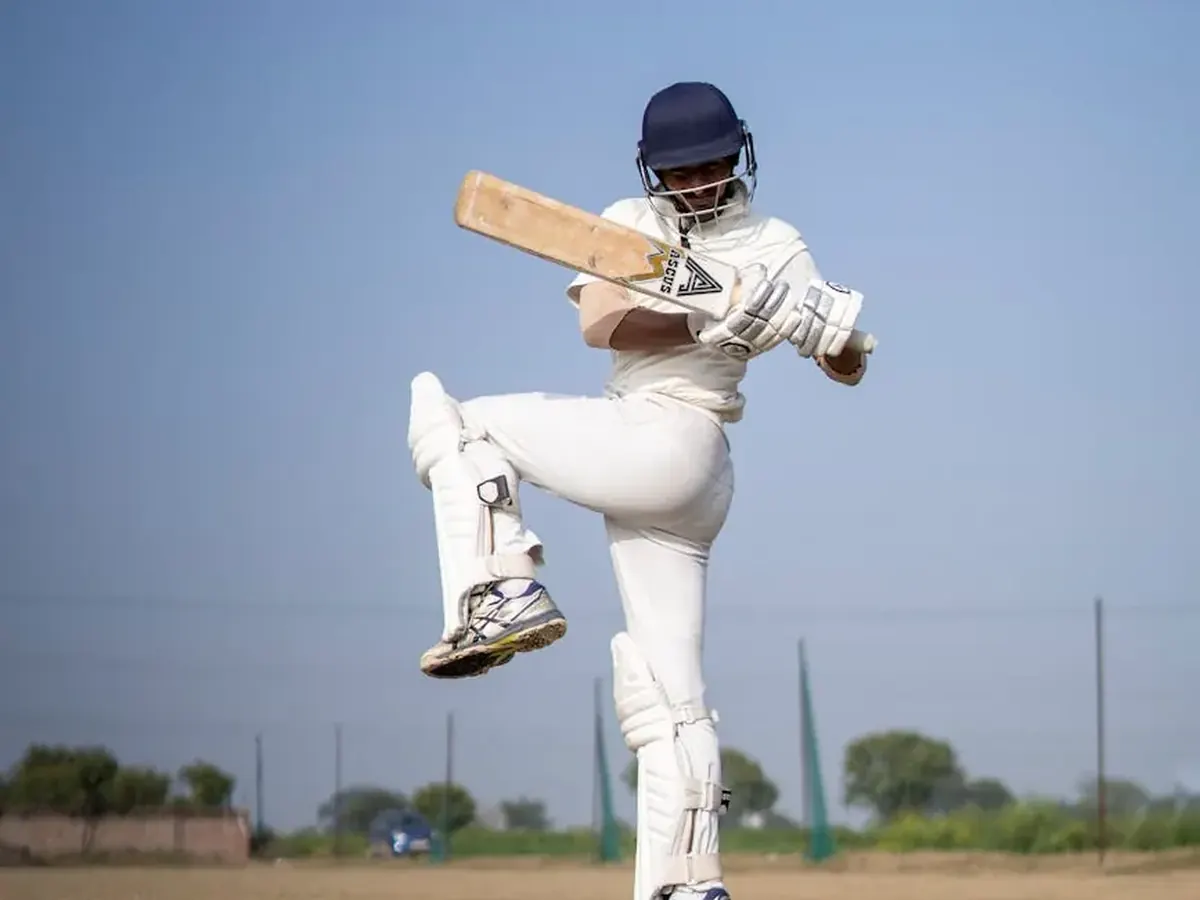
The Modern Arsenal: Bespoke Performance & The Bazball Era (2010s-Present)
Today, every element of an England Cricket Team player’s kit is a product of intense research and development, tailored to individual needs and the team’s overarching strategy.
Ultra-Lightweight & Engineered Fabrics: Modern Test match shirts and trousers are made from featherlight, stretch-woven fabrics that offer maximum freedom of movement, breathability, and moisture management. They are designed to maintain their shape and whiteness through 80 overs of sweat and wear. Bespoke Bat Technology: Bats are no longer just pieces of willow. They are engineered products. Players like Joe Root and Ollie Pope use bats with precise weight distributions, customised profiles, and handles with advanced damping systems to reduce vibration. CNC milling allows for perfect balance and pick-up, tailored to a player’s specific technique. Protective Gear Evolution: Safety and mobility are perfectly balanced. Helmets are carbon-fibre reinforced, incredibly light, and designed to deflect impact forces. Lightweight, anatomically shaped guards for arms, thighs, and chest offer comprehensive protection without restricting stroke play—a non-negotiable for England's aggressive Test cricket approach. Footwear and Analytics: Shoes are now designed using 3D scanning and gait analysis. Studs are often interchangeable, and soles are designed for optimal force transfer during bowling actions, like that of Stuart Broad, or for the explosive movements of a batter like Jonny Bairstow. The Bazball Influence: Under England Test coach Brendon McCullum and captain Ben Stokes, the philosophy is one of positive, attacking cricket. This has a subtle influence on gear choices. The emphasis is on equipment that facilitates freedom: bats with high power-to-weight ratios for dynamic shot-making, and kit that allows for relentless running between the wickets and agile fielding.
The modern player is a technological entity, with their gear forming a critical interface between their skill and the demands of the contemporary game.
Practical Insights: How Gear Influences the Modern Ashes Contest
The evolution of kit is not merely historical; it has tangible, practical impacts on how The Ashes is played today.
Batting Aggression: The combination of lightweight protective gear and powerful, lightweight bats directly enables the high-risk, high-reward stroke play seen in the current era. A batter is more willing to hook a fast bowler knowing their helmet and arm guard offer proven protection. Bowling Endurance: Modern footwear and moisture-wicking kit allow a bowler like James Anderson to maintain his precision and body condition deep into a spell on a hot day at Lord's, the Home of Cricket. The reduced physical burden of the clothing itself contributes to longevity. Fielding Standards: The athleticism seen in the field today is partly enabled by kit. Lightweight, flexible clothing and shoes designed for lateral movement allow for the spectacular diving stops and catches that change Test matches. The Psychological Edge: Walking out in a perfectly fitted, professional kit projects confidence. For the ECB team, the modern uniform is a symbol of a high-performance environment, reinforcing the professional mindset demanded at this level.
Iconic Ashes Kit Moments
Certain items of kit have transcended their functional role to become etched in Ashes folklore:
The 2005 England Cap: The simple navy blue cap worn by Michael Vaughan's team became an iconic symbol of a legendary series victory. The Baggy Green: While an Australian symbol, its enduring presence opposite the England cap defines the visual theatre of the series. * Stokes' Headingley 2019: The image of Ben Stokes, smeared with dirt and sweat in his modern whites, battling to an impossible victory, is a testament to how the classic kit still carries the weight of history, even in its advanced, technical form.
Conclusion: More Than Just a Uniform
The journey from flannel to high-tech fabric, from the swan-neck bat to the milled marvel, mirrors the evolution of The Ashes itself: from a gentleman's pastime to a supreme professional contest. The kit of the England men's cricket team is a living archive, reflecting changes in technology, safety, and sporting philosophy. As we look ahead to future series, the gear will continue to evolve, subtly shaping the tactics and physical possibilities of the game. The timeless clash for the Ashes urn will always be played in white, but within that tradition lies a constant, innovative drive for improvement—a pursuit as relentless as the contest itself.
To see how this evolving game is analysed today, explore our expert Ashes previews and predictions. Stay updated on all the latest squad developments and fitness news ahead of the next series with our dedicated Ashes injuries and team news updates, and gain further insight from the voices of the game in our feature on the Ashes commentary team and pundits.
Reader Comments (1)