

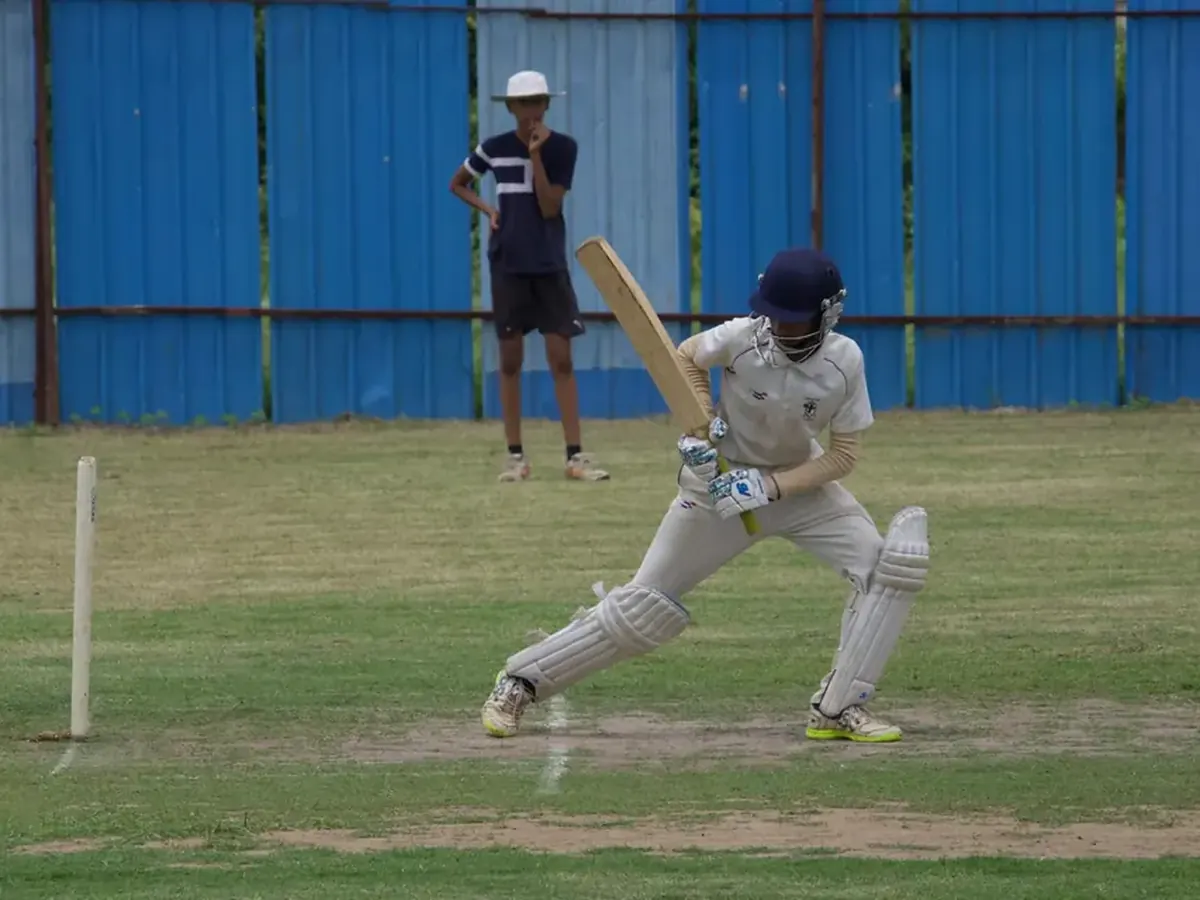
Cricket is a thrilling sport, but a hard ball travelling at high speed demands serious respect. Whether you’re facing a 90mph delivery from a world-class seamer like James Anderson or patrolling the slips for the England national cricket team, your helmet is your most critical piece of safety equipment. It’s not just an accessory; it’s essential armour.
This guide will walk you through everything you need to know about helmet safety. We’ll cover how to choose the right helmet, fit it correctly, maintain it, and understand the crucial rules that keep players from club level to Test match arenas like Lord's safe. By the end, you’ll have a clear, actionable checklist to ensure you or your teammates are properly protected every time you step onto the field.
What You'll Need
Before we dive into the steps, let's make sure you have the right gear and information to hand.
A Cricket Helmet: This is non-negotiable. We’ll discuss how to choose one below. The Manufacturer’s Fitting Guide: Always follow the specific instructions for your model. A Mirror: Essential for checking the fit yourself. A Basic Understanding of the Laws: Knowing the playing conditions, especially for professional matches governed by the England and Wales Cricket Board (ECB), is key. A Care Kit: A soft cloth and mild cleaning solution for maintenance.
Your Step-by-Step Guide to Helmet Safety
Following this process will ensure you are maximally protected, whether you're practising in the nets or playing in a high-stakes match.
1. Choosing the Right Helmet: It Starts Here
You wouldn't wear batting pads on your hands, so don't just grab any helmet. The right choice is foundational.
Look for the Standard: The single most important thing is the safety standard. Any helmet used in ECB-affiliated cricket must comply with the latest British Standard (BS7928:2013) or its international equivalent. This will be clearly marked inside the helmet. Never use a helmet without this certification. Consider Your Role: A wicketkeeper or close fielder like Ollie Pope might prefer a helmet with a wider field of vision. A front-line batter facing fast bowling might prioritise maximum protection and a robust grille. Try Before You Buy: Fit is personal. Visit a specialist retailer if possible. The helmet should feel secure and comfortable without being overly tight.
2. Achieving the Perfect Fit: Snug, Not Strangling
A poorly fitted helmet is almost as dangerous as not wearing one. It can shift, obstruct vision, or fail on impact.
The Stability Test: Place the helmet on your head without fastening the strap. Shake your head gently from side to side and up and down. The helmet should stay in place without sliding over your eyes or rocking back and forth. The Strap is Key: Fasten the chin strap. You should be able to fit only one finger comfortably between the strap and your chin. It needs to be tight enough that the helmet doesn’t move if you open your mouth wide. Check the Sightlines: Look straight ahead. The peak of the helmet should sit just above your eyebrows, and the grille should not obstruct your vision in any direction. You should have a clear, unrestricted view.
3. Pre-Play Inspection: Your Match-Day Ritual
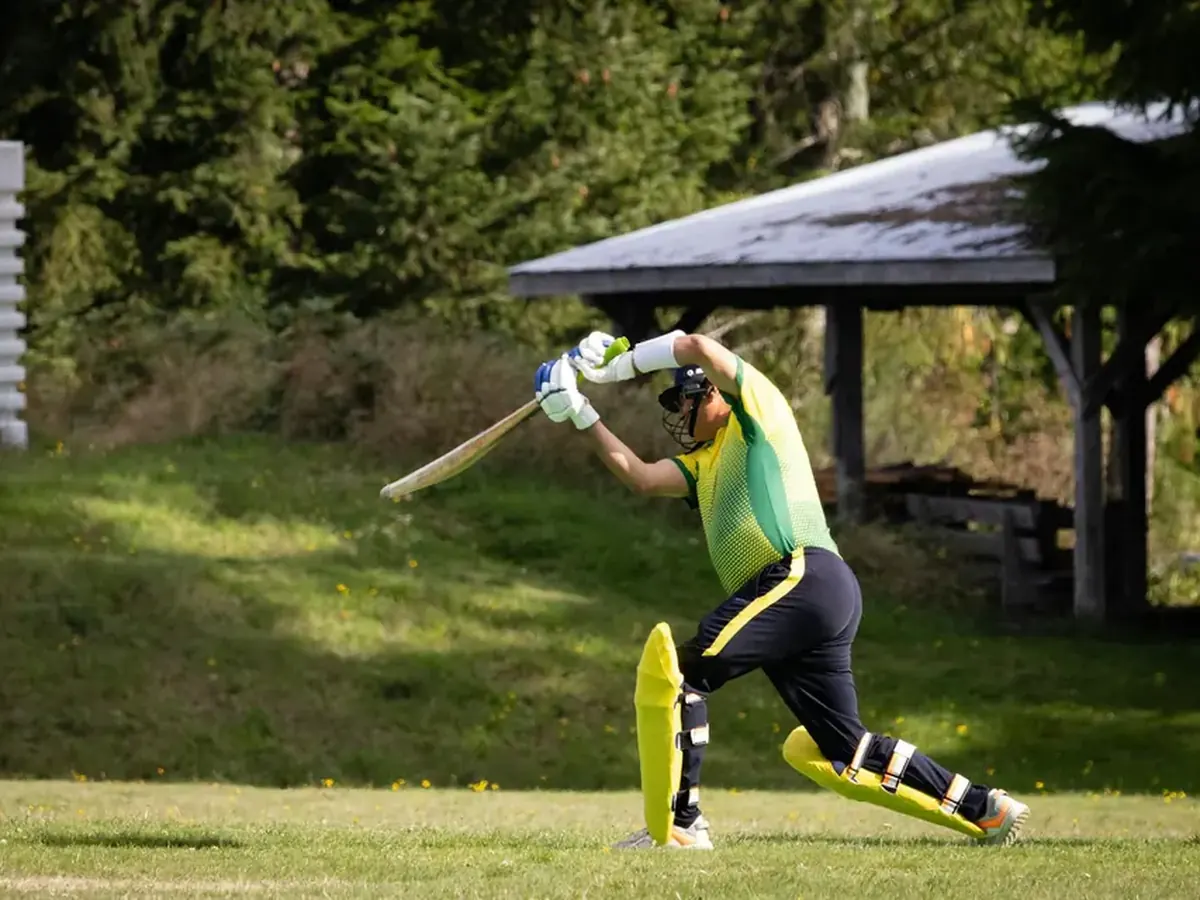
Make inspecting your helmet as routine as putting on your box. Ben Stokes doesn't walk out without checking his gear, and neither should you.
Visual Check: Before every game and net session, look over the entire helmet. Pay special attention to the grille bars for any cracks, dents, or signs of rust. Inspect the shell for deep scratches or cracks, particularly around the edges and ventilation holes. Strap & Fastening Check: Ensure the chin strap isn’t frayed and that the buckle clicks securely into place and holds under gentle pressure. The Tap Test: Gently tap the grille and the shell with a cricket ball or your knuckles. Listen for any unusual rattles that might indicate internal damage or a loose component.
4. Knowing the Rules: When Must You Wear It?
The Laws of Cricket and ECB regulations are very clear on this. Ignorance isn't an excuse.
Batters: Must wear a helmet against all bowlers when standing up to the stumps. They must also wear a helmet when fielding close to the batter (within 8 yards for a right-hander, 10 yards for a left-hander, measured from the stumps). Wicketkeepers: Must wear a helmet when standing up to the stumps. A keeper like Jonny Bairstow will always have his on when in that position. Fielders: Any fielder within the "close catching position" (as defined above) is mandated to wear a helmet. This is not optional in professional cricket. Helmets for Bowlers: While not mandatory for bowlers, many, including Stuart Broad in his final Ashes series, chose to wear a helmet when fielding in silly mid-on or short leg positions for extra protection.
5. Maintenance and Retirement: The Long-Term Care
A helmet isn't a "buy it for life" item. It has a lifespan and needs care.
Cleaning: Wipe down the shell and grille with a soft, damp cloth after use. Never use harsh chemicals or submerge it in water, as this can damage the materials and compromise safety. Storage: Store it in a cool, dry place away from direct sunlight. Don’t leave it in a hot car boot, as extreme heat can weaken the materials. Know When to Retire It: This is crucial. You MUST replace your helmet: After any significant impact. Even if it looks fine, the internal structure may be compromised. If you find any crack, split, or dent during your inspections. If the grille is bent or damaged. Generally, after 3-5 years of regular use, as materials degrade over time. Check the manufacturer's guidance.
Pro Tips & Common Mistakes to Avoid
Pro Tip: Break It In. Wear your new helmet in the nets before a big game. Get used to the weight, sightlines, and feel. Pro Tip: Lead by Example. If you're a captain or senior player, like Joe Root, always wearing your helmet correctly in close fielding positions sets the standard for the whole team, embodying the professional attitude expected at the highest level. Common Mistake: The Loose Strap. The number one error. A dangling, unfastened strap is useless. Always buckle up. Common Mistake: Ignoring Minor Damage. A small crack can become a big failure upon impact. "It'll be fine" is a dangerous mindset. Common Mistake: Using Old, Non-Compliant Helmets. That helmet from the 90s does not meet modern standards. It's a collector's item, not safety equipment. * Pro Tip: Understand the Spirit. The aggressive, positive approach of the current England's aggressive Test cricket approach under Brendon McCullum involves taking calculated risks with bat and ball—never with safety. Protecting yourself allows you to play with freedom.
Your Helmet Safety Checklist: A Summary
Print this out, stick it in your kit bag, and run through it every time you play.
- CHOOSE RIGHT: My helmet carries the current BS7928:2013 (or equivalent) safety standard mark.
- FIT CHECK: The helmet is stable on my head without the strap fastened.
- STRAP SECURE: The chin strap is fastened snugly, allowing only one finger's width of space.
- CLEAR VISION: The peak and grille do not obstruct my sight in any direction.
- PRE-PLAY INSPECTION: I have visually checked the shell and grille for cracks, dents, or damage.
- TAP TEST COMPLETE: I have tapped the helmet and listened for unusual rattles.
- RULE AWARE: I know I must wear it when batting, keeping up to the stumps, or fielding within the mandatory close-catching distance.
- POST-PLAY CARE: I will clean it with a soft cloth and store it in a cool, dry place.
- RETIREMENT PLANNED: I will replace it immediately after any impact, if damage is found, or as per the manufacturer's lifespan guidelines.
Reader Comments (0)