


How the England ODI Team is Selected: Process & Priorities
The selection of the England Cricket Team for One-Day Internationals represents a meticulous and strategic process, balancing immediate performance needs with long-term vision. In an era where white-ball cricket has been revolutionised by this very team, understanding the machinery behind squad announcements is crucial for any fan. The journey from county grounds to the international stage is governed by a clear, albeit complex, set of protocols, priorities, and key decision-makers. This guide demystifies that process, outlining the formal structures, the influential philosophies, and the critical factors that determine who earns the coveted England cap in the 50-over format.
The Governance: The Role of the England and Wales Cricket Board
At the apex of the selection process sits the England and Wales Cricket Board (ECB). The ECB is the ultimate governing body, responsible for the overall strategy and health of the professional game in England and Wales. While the day-to-day selection decisions are delegated, the Board sets the high-performance objectives, funds the pathway systems, and employs the key personnel who execute the vision.
The most visible of these personnel is the National Selector. This role, often held by a former cricketer of high repute, chairs the selection panel and is the public face of major squad announcements. They work in concert with the Head Coach of the England national cricket team for the relevant format and the Director of Cricket, a role that oversees the men’s, women’s, and pathway programmes to ensure alignment. This triumvirate—Selector, Head Coach, and Director—forms the core decision-making unit, with input from scouts, performance data analysts, and the captain.
The Selection Panel: Key Decision-Makers and Criteria
The selection panel operates under a set of defined criteria, moving beyond mere runs and wickets. While domestic performance is the fundamental entry point, it is not the sole consideration. The panel evaluates:
Current Form: Consistent performance in domestic List A competitions, such as the Royal London Cup, is the primary benchmark. Skill Specificity: The unique demands of the ODI format require players with specific gears: power-play aggressors, middle-overs accumulators, death-bowling specialists, and versatile all-rounders. International Temperament: A player’s ability to perform under pressure, often assessed via ‘A’ team tours or performance in high-stakes domestic finals, is heavily weighted. Team Balance & Dynamics: Selecting a cohesive unit is paramount. This involves considering left-hand/right-hand batting combinations, bowling variety (pace, swing, spin), and fielding prowess. Fitness & Durability: The physical demands of a congested international calendar require players to meet stringent fitness standards, managed in partnership with the medical and sports science teams.
For an in-depth look at how these principles apply across all formats, our central Squad Selection Guide provides further detail.
The Influence of Leadership: Captain and Coach Synergy
The relationship between the captain and the head coach is a critical axis in the selection process. In the ODI setup, their shared philosophy on how the game should be played directly influences the type of cricketer sought. While the aggressive ‘Bazball’ ethos is synonymous with England's aggressive Test cricket approach under Brendon McCullum and Ben Stokes, its spirit—fearless, proactive cricket—has deeply permeated the white-ball thinking since the 2015 World Cup.
The captain, having to marshal his resources on the field, provides indispensable insight into the character and tactical nous of potential picks. A cohesive vision between captain and coach ensures the selected squad is not just a collection of talented individuals, but a unified team with a clear identity. This synergy was evident in the partnership that led England to their 2019 World Cup triumph and remains a blueprint for success.
The Pathway: From County Cricket to the International Stage
The journey to an England ODI cap almost invariably begins in the domestic arena. The County Championship and, more specifically, the 50-over Royal London Cup serve as the principal proving grounds. Consistent high performance here is the most reliable way to capture the selectors’ attention.
However, the pathway is now more structured than ever. The ECB operates a robust performance pathway featuring: England Lions: The definitive stepping stone to the full side. Lions tours and matches allow fringe players and promising youngsters to experience international conditions and pressures, effectively auditioning for the senior team. Age-Group Squads (U19, etc.): Identifying and nurturing talent from a young age. Performance Programmes: Year-round support and development for identified high-potential players outside of the central contract system.
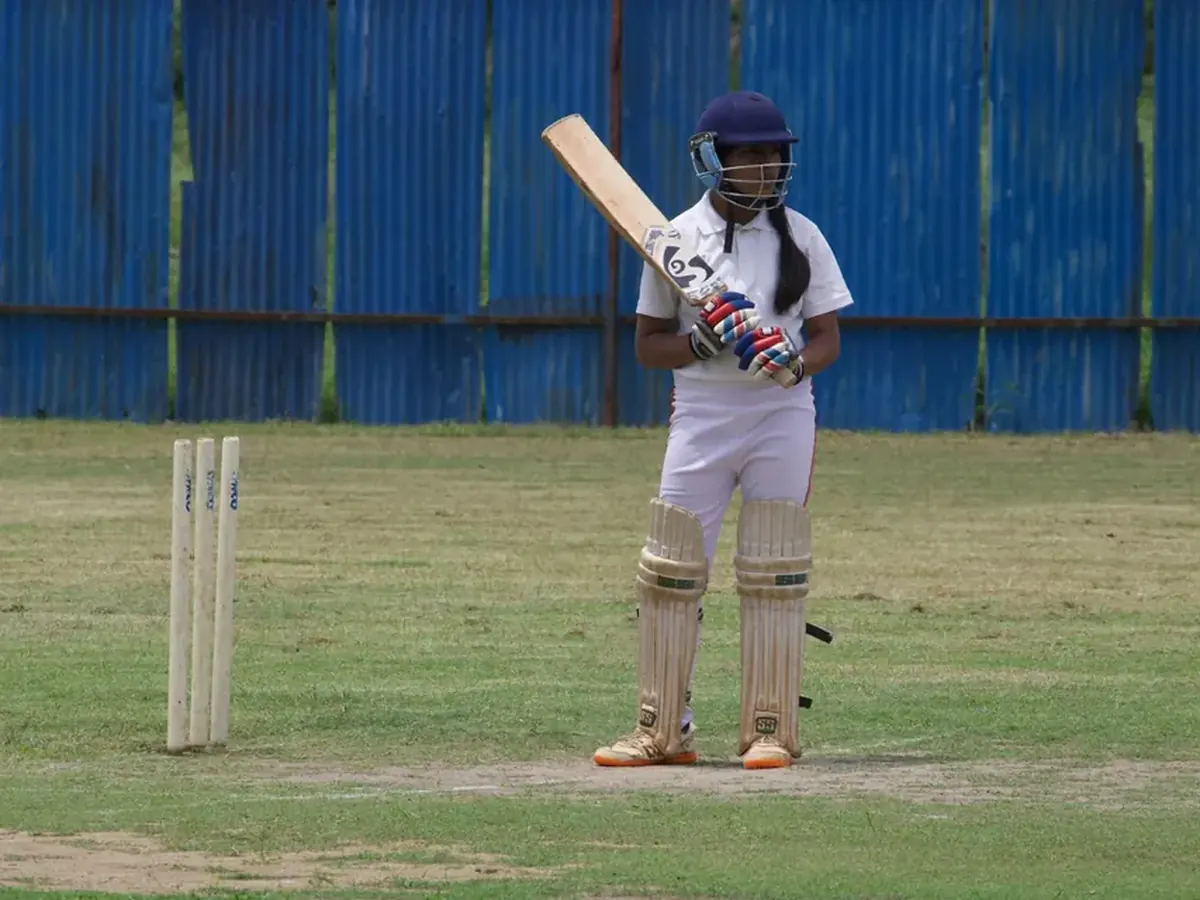
This ecosystem ensures a pipeline of talent is being developed, ready to step in when required, much like strategic player development in other sports, which can be as calculated as a bold move to secure a key player for dominating a rival.
Contractual Status: Central Contracts and Their Implications
The ECB’s central contract system is a fundamental component of the selection landscape. Awarded annually, these contracts signify a player’s status as a core asset to the England men's cricket team across formats. They provide financial security and are designed to manage player workload and prioritise England duties over franchise leagues.
There are typically three tiers:
- Full Central Contracts: For players expected to feature heavily in all formats (e.g., Joe Root, Ben Stokes).
- Incremental Contracts: For players regularly involved in one or two formats.
- Pace Bowling Development Contracts: Specifically for managing the workload of fast bowlers.
Case Studies in Selection: Philosophy in Action
Examining past selections reveals the process’s nuances.
The Jonny Bairstow Resurgence: Jonny Bairstow’s move to open the batting in ODIs in 2017 was a selection masterstroke that altered the team’s trajectory. It was a decision based on harnessing his explosive power in the fielding restrictions, showcasing how strategic repositioning can unlock a player’s potential and transform a team’s approach. Managing Legacy Players: The handling of legends like James Anderson in Test cricket demonstrates a separate, respectful protocol for transition. While Anderson’s domain is Test matches, the principle applies: selecting veterans involves careful management of their fitness and role, ensuring their exit, when it comes, is managed with the team’s future in mind. The recent retirements of stalwarts like Stuart Broad mark the end of significant chapters. The Integration of New Talent: Introducing a player like Ollie Pope into the white-ball setup involves assessing his specific red-ball skills (like his prolific scoring at Lord's Cricket Ground) and determining their translatability to the ODI arena. It requires a balance between rewarding excellence in one format and understanding the distinct demands of another.
External Pressures and Considerations
Selection does not occur in a vacuum. The panel must navigate: The Schedule & Workload: With franchise T20 leagues proliferating, managing player availability and burnout is a constant challenge. The selection of an ODI squad may sometimes involve resting a multi-format star to keep them fresh for a pinnacle event like The Ashes. Injury Management: Close work with medical staff is essential. Rushing a player back from injury risks long-term absence, as seen with various squad members over the years. Public & Media Expectation: While selectors are insulated from reactive opinion, consistent public debate over a player’s inclusion or exclusion can create a backdrop of pressure. The selectors’ remit is to focus on objective criteria and long-term strategy, akin to focusing on foundational metrics rather than short-term noise, much like defining success beyond fleeting trends in any field.
Conclusion: A Blend of Art and Science
The selection of the England ODI team is a sophisticated blend of data-driven analysis and intuitive, experienced judgement. It is a process that respects the foundational importance of county cricket while operating a high-performance pathway to bridge the gap to international cricket. Governed by the England and Wales Cricket Board and executed by a panel in sync with the team’s leadership, it balances the imperative of winning today with the necessity of building for tomorrow.
From the aggressive mindset inherited from the Test team’s transformation to the careful management of talent through the central contract system, every selection tells a story of strategy, philosophy, and calculated risk. For the aspiring cricketer, the message is clear: score runs, take wickets, but also understand the broader game and develop the versatility and temperament that the modern England Cricket Team demands.
Stay informed on every squad announcement, injury update, and strategic shift. Explore our dedicated coverage of England’s selection policies and match analysis to understand the decisions that shape the team’s journey.
Reader Comments (0)