

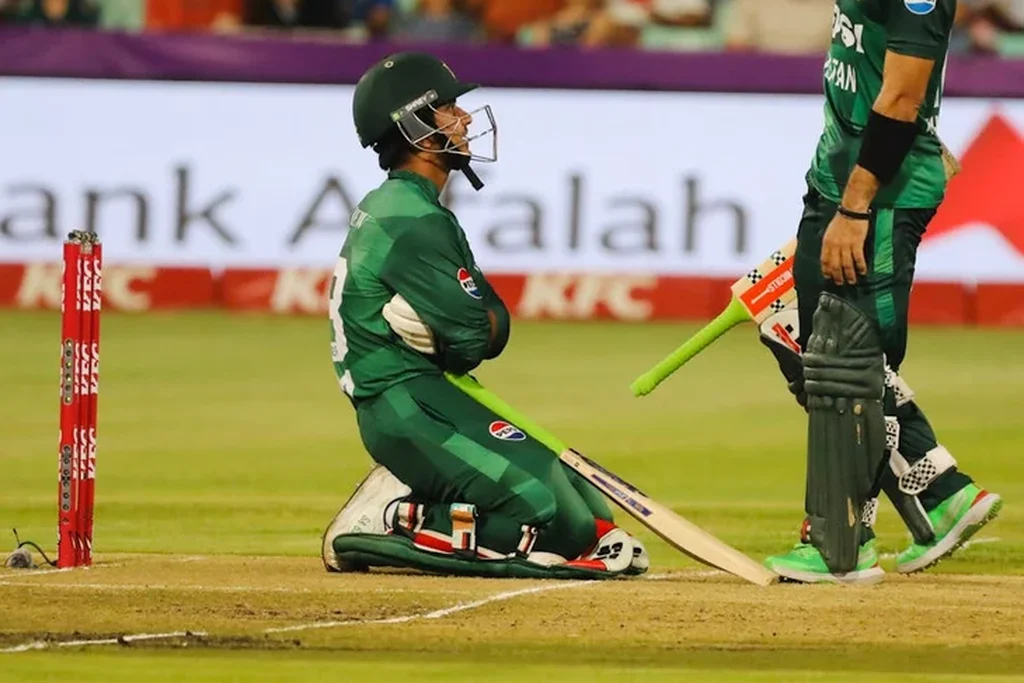
The Laws of Cricket: A Simplified Guide for New Fans
Cricket, with its rich history and complex strategies, can seem like an impenetrable fortress of rules to the uninitiated. The sight of fielders moving at the wave of a captain’s hand, the sudden eruption of appeal, or the intricate discussions between umpires can be baffling. Yet, understanding the fundamental laws is your key to unlocking the drama, appreciating the skill, and truly engaging with the sport. For fans of the England Cricket Team, from the tension of The Ashes to the thrilling aggression of a home summer at Lord's Cricket Ground, knowing the rules transforms you from a passive observer to an informed enthusiast. This guide strips back the complexity, explaining the core laws that govern every delivery, every decision, and every match, whether it's a five-day Test match or a white-ball spectacle.
The Foundational Framework: Players, Equipment, and the Field
Before a ball is bowled, the stage must be set. Cricket’s laws meticulously define the arena and its tools.
The Pitch, Creases, and Boundaries
At the heart of the field is the pitch—a 22-yard (20.12m) strip of closely mown grass. Its condition is paramount, especially for masters of seam and swing like James Anderson. At each end are the wickets, three wooden stumps topped by two bails. The popping crease (the line the batter must keep inside) and the bowling crease are critical for judging run-outs and no-balls. The surrounding field is oval, with its perimeter marked by a boundary rope. Clearing this on the full scores six runs; bouncing before crossing scores four.
The Tools of the Trade
The cricket ball, traditionally red for Test cricket and white for limited-overs, is a hardened leather sphere. The bat is made of willow, with a maximum width of 4.25 inches. Batters like Joe Root and Ollie Pope rely on its sweet spot. Protective gear includes pads, gloves, helmets, and for the wicketkeeper-batter like Jonny Bairstow, specialized inner gloves.
The Objective and Flow of Play: How Runs Are Scored and Wickets Fall
Cricket is a duel between bat and ball. The fundamental objective for the batting side is to score runs while preserving their ten wickets. The fielding side aims to take those ten wickets while restricting runs.
Scoring Runs: More Than Just Boundaries
Running Between the Wickets: The primary method. After striking the ball, the two batters cross, grounding their bats behind the popping crease at the opposite end. Each crossing equals one run. Quick singles and aggressive twos are a hallmark of modern play.
Boundaries: As described, four or six runs.
Extras: Runs awarded for fielding errors: byes (when the ball passes the batter and runs are scored), leg byes (off the batter’s pads), wides (balls too far from the batter to hit), and no-balls (illegal deliveries, which also result in a free hit in limited-overs cricket).
The Ten Ways to Get Out
A batter’s innings ends when their wicket is “put down.” The most common modes of dismissal are:
Bowled: The ball hits the stumps and dislodges the bails.
Caught: The batter hits the ball and it is caught by a fielder before it bounces.
Leg Before Wicket (LBW): Perhaps the most complex law. The umpire must decide if the ball, had it not hit the batter’s pad, would have hit the stumps. Key considerations include where the ball pitched and where it struck the pad. This is a constant tactical battle for bowlers like Stuart Broad.
Run Out: A fielder breaks the wicket with the ball while the batter is outside their popping crease.
Stumped: Similar to run out, but executed by the wicketkeeper when a batter steps out to play a shot and misses.
Other, rarer dismissals include Hit Wicket, Handled the Ball, and Timed Out.
For a deeper dive into these and other terms, our cricket terminology glossary is an essential resource.
The Key Participants: Batters, Bowlers, and Umpires
The Batting Side
Two batters are on the field at once. The striker faces the bowler; the non-striker stands at the bowler’s end. The batting order is a strategic decision, with openers facing the new ball and players like Ben Stokes often used as a dynamic “finisher.”
The Bowling and Fielding Side
The bowler delivers the ball from an approved action (overarm). An over consists of six legal deliveries, after which a new bowler operates from the other end. The fielding captain (like Stokes when fit) sets the field—positions with names like slip, gully, mid-off, and fine leg—to create pressure and catching chances. The aggressive fields set under England Test coach Brendon McCullum are a direct application of this law.
The Role of the Umpires
Two on-field umpires enforce the laws. They judge dismissals, call no-balls and wides, signal boundaries, and oversee the game’s conduct. The Decision Review System (DRS), using technology, allows teams to challenge certain on-field decisions—a system that has produced some of the most dramatic moments in recent Ashes series.
The Structure of a Match: Innings, Overs, and Formats
Cricket’s laws accommodate different formats, which primarily dictate the match structure.
The Concept of Innings
An innings is the period during which one team bats. In a traditional two-innings match (like a Test match), each team bats twice unless a result is achieved earlier or the game is drawn. The aim is to score more runs than the opponent over the course of the match.
From Test Cricket to T20
Test Cricket: The pinnacle. Played over five days (four innings maximum). It tests endurance, technique, and tactical nuance. The England Cricket Team’s recent philosophy, often termed England's aggressive Test cricket approach, seeks to force results in this format.
One-Day Internationals (ODIs): Each team faces a limited number of overs, traditionally 50, in a single innings.
Twenty20 (T20): Each team faces 20 overs. This fast-paced format prioritises explosive batting and innovative bowling.
The England and Wales Cricket Board (ECB) oversees England’s teams across all these formats.
Key Rules That Shape the Modern Game
Powerplays and Fielding Restrictions (Limited-Overs)
In ODIs and T20s, laws restrict the number of fielders allowed outside the inner circle during certain phases (Powerplays). This encourages aggressive batting early on.
The Follow-On (Test Cricket)
In a two-innings match, if the team batting first leads by a significant margin (200 runs in a five-day Test), they can enforce the follow-on, requiring the opponent to bat again immediately. This is a high-risk, high-reward tactic to force a win.
New Ball and Ball Change
In longer formats, the fielding side can take a new ball after a prescribed number of overs (80 in Tests). This is crucial for bowlers like Anderson, who seek conventional swing. The umpires can also change the ball if it becomes unfairly damaged.
Player Conduct and Spirit of Cricket
Beyond written laws, cricket places immense value on its Spirit. The captains are responsible for ensuring fair play. Controversies around “Mankading” (running out the non-striker backing up) or obstructing the field sit at the intersection of strict law and perceived sportsmanship.
Practical Scenarios: Seeing the Laws in Action
Let’s apply these laws to real-game situations you might see following the England national cricket team:
Scenario 1: The Tight Run-Out at The Ashes. At Lord's, the batter dives to make their ground. The wicket is broken with the batter’s bat in the air, just over the line. Law: The batter is safe if any part of their bat or body is grounded behind the popping crease. The TV umpire will check for any part of the bat being on or behind the line.
Scenario 2: The Huge LBW Appeal. James Anderson pitches one up, it nips back and strikes Joe Root’s (if he were playing for the opposition) pad in front of middle stump. The umpire raises his finger. Law: For LBW, the ball must pitch in line with or outside off stump, strike the pad in line with the stumps, and be going on to hit them. DRS would check all three.
* Scenario 3: The Controversial Catch. A batter skies the ball, the fielder takes a low catch, and the umpires are unsure if it carried. Law: The catch is legal if the fielder has complete control over the ball and their movement before it touches the ground. The soft signal from the on-field umpire and subsequent TV review will decide.
Understanding these moments turns confusion into clarity and drama.
Conclusion: Your Passport to Deeper Enjoyment
The laws of cricket are not arbitrary obstacles but the very architecture of its drama. They explain why a captain like Ben Stokes might declare an innings closed early, why a bowler like Stuart Broad will relentlessly attack a batter’s pads, or why a single run-out can change the momentum of an entire England vs Australia Test series. By grasping these fundamentals, you move from asking “what happened?” to understanding “why it happened.” You’ll appreciate the tactical genius behind a field placement, the pressure of a building maiden over, and the sheer significance of a wicket falling.
Now that you have this simplified framework, watch the next England Cricket Team match with new eyes. Listen to the commentators, engage in the debate, and immerse yourself in the narrative of the game. To continue building your cricket knowledge, explore our detailed guides on mastering the basics of the game and the stories that define the sport. Welcome to the informed fan’s circle at The Pavilion.
Reader Comments (0)