

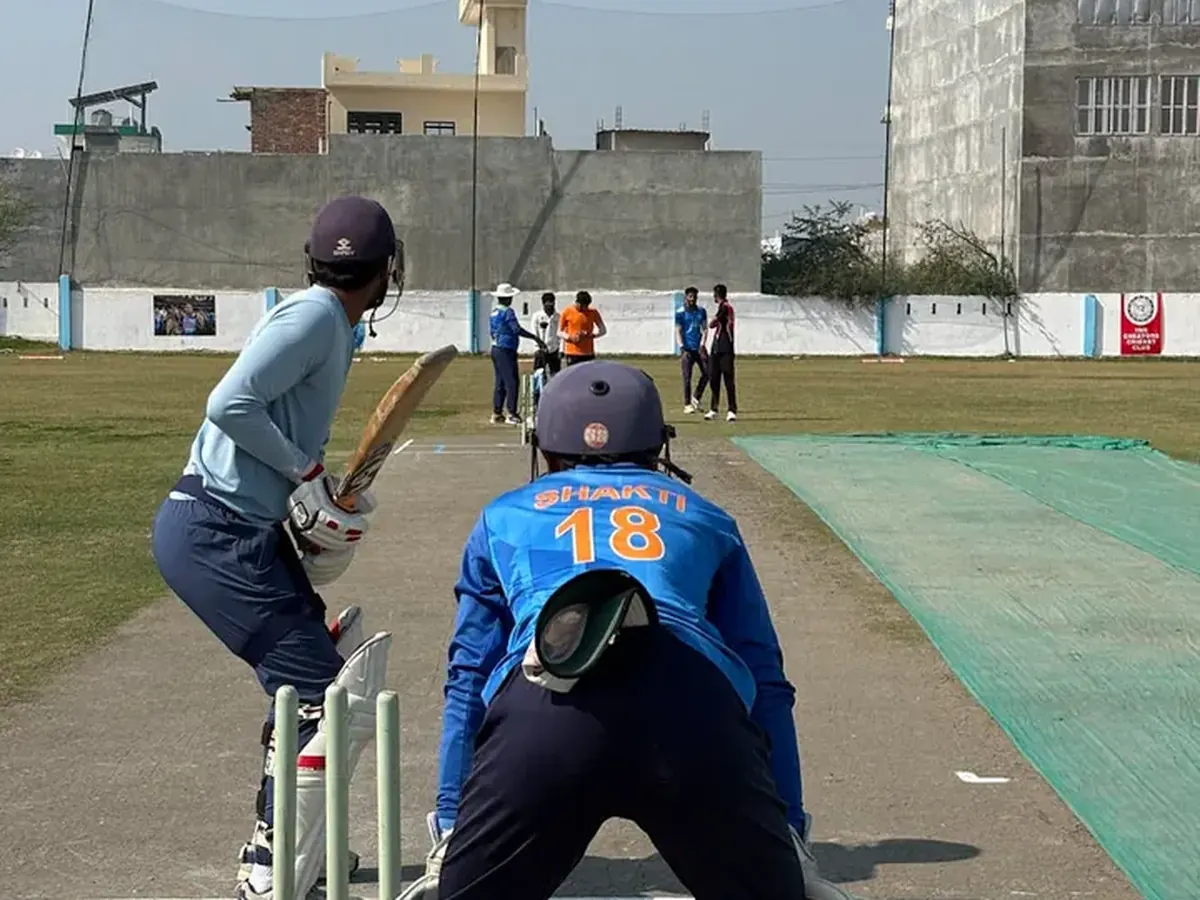
For fans of the England Cricket Team, the thrill of a five-day Test match is often balanced by the high-octane, condensed drama of a One Day International. While the aggressive philosophy of England's aggressive Test cricket approach has captivated audiences, ODI cricket operates under its own distinct, precise set of laws that create a unique sporting spectacle. Understanding these rules is key to appreciating the tactical battles, from the powerplay calculations to the late-innings heroics that have defined players like Ben Stokes and Jonny Bairstow. Whether you're a newcomer drawn in by World Cup excitement or a seasoned follower looking to deepen your knowledge, this pillar guide breaks down the essential framework of the 50-over game, the format where England famously claimed their first global trophy in 2019.
The Fundamental Structure of an ODI Match
At its core, an ODI is a limited-overs cricket match between two international sides, each facing a maximum of 50 overs. The game is typically completed in a single day, hence the name, over about 8 hours of play.
Two Innings: Each team bats once in a single innings. 50-Over Limit: Each innings is restricted to a maximum of 50 overs, or 300 legal deliveries. The Toss: The captains toss a coin. The winner chooses whether to bat first (set a target) or field first (chase a target). The Objective: The team batting first aims to post as high a total (runs) as possible. The team batting second must then score more runs than that target within their 50-over allocation to win.
This simple premise creates a compelling narrative of attack versus defence, requiring strategies vastly different from the patient ebbs and flows of a Test match or the frenetic pace of a T20.
Key Playing Conditions & Fielding Restrictions
The rules governing field placements and bowling are what truly shape ODI tactics, creating distinct phases of play that teams must navigate.
The Powerplay Overs
The innings is divided into three powerplay blocks with specific fielding restrictions:
- Powerplay 1 (Overs 1-10): A maximum of two fielders are allowed outside the 30-yard circle. This encourages aggressive batting at the start, as fielding teams are forced to protect the inner ring.
- Powerplay 2 (Overs 11-40): A maximum of four fielders are allowed outside the 30-yard circle. This is often considered the "building" or "consolidation" phase.
- Powerplay 3 (Overs 41-50): A maximum of five fielders are allowed outside the 30-yard circle. This is the death overs phase, where batters look to maximise scoring and bowlers aim to execute precise yorkers and variations.
Bowling Restrictions
Maximum Overs per Bowler: No single bowler may deliver more than 10 overs in an innings. This demands depth in a team's bowling attack and careful captaincy. Over Rate: Teams are required to maintain a minimum over rate. Failure to do so can result in penalties, including having to bring an extra fielder into the 30-yard circle for the remaining overs of the innings.
The ODI Innings: From Start to Finish
An innings can end in several ways, not just by the completion of 50 overs.
All Out: The batting side is dismissed before facing 50 overs (i.e., they lose all 10 wickets). 50 Overs Completed: The innings ends after 300 legal balls have been bowled, regardless of wickets lost. It's common for teams to have wickets in hand at the end. Weather or Interruptions: If play is interrupted by rain or bad light, the Duckworth-Lewis-Stern (DLS) method is used to recalculate targets. This complex mathematical formula adjusts the chasing team's target based on overs lost and wickets in hand, aiming to maintain a fair contest. Understanding DLS is part of the modern ODI fan's lexicon, often adding dramatic tension to rain-affected matches.

Essential Rules for Batters and Bowlers
For the Batting Side
Wide Delivery: A ball bowled too far from the batter for them to play a normal shot is called a wide. It awards one run to the batting side and must be re-bowelled. No-Ball: An illegal delivery (e.g., overstepping the crease, a full-toss above waist height). It awards one run (plus any runs scored off the bat) and the next delivery is a free-hit, where the batter cannot be dismissed in most ways (except run out). Running Between the Wickets: Batters score runs by running to the opposite end of the pitch. They must ground their bat or person over the popping crease. Overthrows (additional runs from a fielder's errant throw) are a common and often thrilling source of extra runs.For the Bowling & Fielding Side
Modes of Dismissal: The primary ways to take a wicket are: Bowled, Caught, Leg Before Wicket (LBW), Run Out, and Stumped. Understanding cricket umpire signals is crucial for following these dismissals in real-time. The Ball: One new ball is used from each end at the start of the innings. In many competitions, two balls are used (one from each end) to maintain better condition for longer, affecting reverse swing tactics.Tactical Nuples and England's ODI Evolution
England's journey in ODI cricket is a perfect case study in adapting to these rules. For years, they played a conservative style. Their transformative 2015-2019 period involved a conscious decision to exploit the powerplay and death-over rules more aggressively, stacking their lineup with power hitters like Jonny Bairstow and all-rounders like Ben Stokes. This "no fear" batting approach, while distinct from Bazball in the Test arena, shared a similar aggressive ethos and was masterminded by the England and Wales Cricket Board (ECB).
Practical Example: Consider a modern England innings at Lord's. During Powerplay 1, openers will look to attack, using the two-fielders-out rule to find boundaries. Between overs 11-40, a player like Joe Root might anchor the innings, rotating strike and building a platform. From overs 41-50, with five fielders allowed out, hitters like Ben Stokes or Liam Livingstone would target specific boundary areas, while the bowler—perhaps a specialist like Reece Topley—aims for yorkers and slower-ball variations.
This tactical blueprint, balancing calculated aggression with smart accumulation, directly led to their 2019 World Cup triumph.
ODI Equipment and Player Roles
The Kit: Players wear coloured clothing (whites are for Test cricket), and teams often have day and night kits. The red ball is not used; instead, a white or pink ball is utilised for better visibility under floodlights. Specialist Roles: The 50-over format has given rise to specific roles: The Powerplay Specialist: A bowler skilled at taking early wickets with swing or seam, a role where James Anderson excelled for years. The Death Bowler: A bowler with pinpoint yorkers and variations to bowl at the end of the innings. The Finisher: A middle-order batter, like Ben Stokes, specifically skilled at accelerating in the final 10-15 overs. The Anchor: A top-order batter, such as Joe Root or Ollie Pope, who bats through the middle overs, ensuring stability.
Major ODI Competitions and Context
The pinnacle of ODI cricket is the ICC Cricket World Cup, held every four years. Other major events include the ICC Champions Trophy and bilateral series like the multi-format men's Ashes series, which, while focused on Test cricket, often includes ODI matches. For the England national cricket team, every ODI series is a building block towards World Cup cycles, with player selection and strategy constantly assessed by the England and Wales Cricket Board (ECB) and the coaching staff.
Conclusion: The Enduring Appeal of the 50-Over Game
The ODI format remains a perfect bridge between the strategic longevity of Test cricket and the explosive immediacy of T20. Its rules create a nuanced contest that rewards both explosive power and enduring skill, demanding versatility from legends like Stuart Broad—who adapted from a Test specialist to a World Cup winner—and modern stars alike. By understanding the phases of play, fielding restrictions, and tactical demands, you gain a deeper appreciation for every boundary, every wicket, and every captain's decision.
Ready to test your knowledge and dive deeper into the language of the game? Explore our comprehensive cricket terminology glossary to master the terms that define this brilliant format.
Reader Comments (0)