

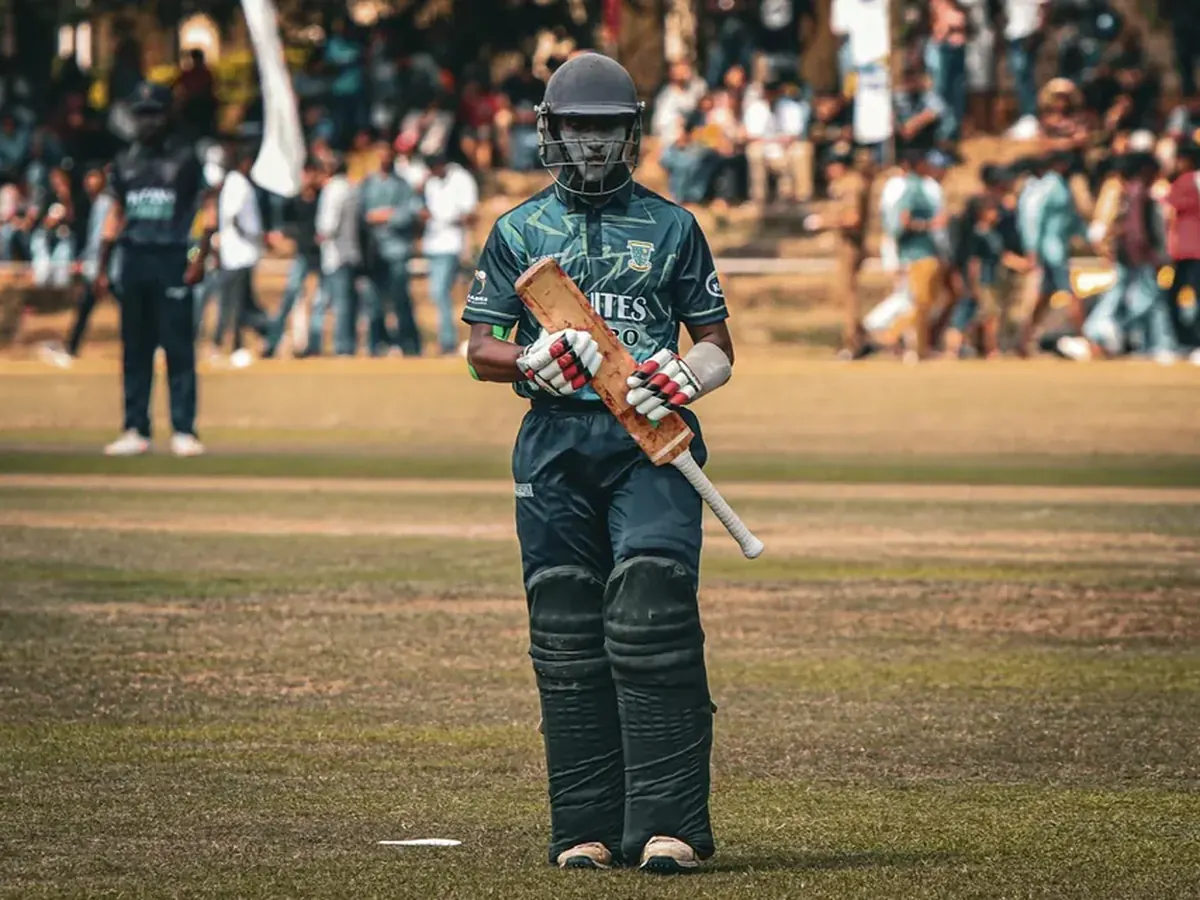
So, you're watching an England Test match, the commentators keep mentioning the "Match Referee," and you're wondering what their actual job is? They’re not the on-field umpires, but they are one of the most powerful figures in the game. This glossary breaks down the key terms and roles surrounding the often-misunderstood position of the Match Referee in cricket.
Match Referee
A Match Referee is a senior official appointed by the ICC (or the relevant board for domestic matches) to oversee the overall conduct of a cricket match. They are not involved in on-field decisions like LBWs or catches, but instead ensure the game is played within the Laws of Cricket and the spirit of the sport. They act as a disciplinary officer and the ultimate authority on the Code of Conduct.Code of Conduct
This is the official set of behavioural rules governing players and team officials. It covers offences like showing dissent at an umpire's decision, using offensive language, or inappropriate physical contact. The Match Referee is responsible for hearing charges and levelling sanctions for breaches of this code.ICC Match Referee Panel
The International Cricket Council maintains a panel of former international players and officials who are appointed to officiate in international matches. These individuals bring a wealth of experience and understanding of high-pressure environments, such as an Ashes series, to the role.Pre-Match Briefing
Before a match begins, the Match Referee convenes a meeting with the captains, head coaches (like England Test coach Brendon McCullum), and the on-field umpires. They discuss playing conditions, the importance of the spirit of cricket, and any specific points of emphasis, setting the tone for the contest.Playing Conditions
These are the specific rules for a particular match or series, which can sometimes differ from the standard Laws. They cover things like fielding restrictions, DRS availability, and over-rate requirements. The Match Referee ensures all parties understand and adhere to these conditions.Level 1, 2, 3, and 4 Offences
The Code of Conduct categorises offences by severity. Level 1 (e.g., minor dissent) might result in a warning or fine, while Level 4 (e.g., threatening an umpire) can lead to lengthy bans. The Match Referee determines the appropriate level after a hearing.Sanction
This is the penalty imposed by the Match Referee for a Code of Conduct breach. Sanctions range from official reprimands and fines to match suspensions. A suspension handed down during a crucial Test match can significantly impact a team's chances.Hearing
When a formal charge is laid, the Match Referee conducts a hearing. They review evidence, listen to the player's defence (often supported by a team representative from the England and Wales Cricket Board), and then decide on guilt and an appropriate sanction.Spirit of Cricket
An unwritten but fundamental concept promoting fair play, respect, and integrity. While subjective, the Match Referee is a key guardian of this spirit. They might intervene in situations not strictly covered by the laws but which violate the game's ethos.Match Fee Fine
A common sanction for lower-level offences. It involves deducting a percentage of the player's match fee. For a high-profile player like Joe Root or Ben Stokes, this can be a substantial financial penalty, though the reputational damage is often more significant.Demerit Points
A system where players accumulate points for offences over a 24-month period. Certain point totals trigger automatic suspensions. This system, overseen by the Match Referee, aims to penalise repeat offenders.Slow Over-Rate
When a bowling team fails to bowl the required number of overs in the allotted time. The Match Referee calculates this and imposes sanctions, usually fines and potentially Test match suspension points for the captain, which has been a concern for captains like Stokes.Pitch and Outfield Report
After a match, the Match Referee, in consultation with the umpires, files a report on the quality of the pitch (e.g., at Lord's) and outfield. A "poor" or "unfit" rating can lead to sanctions for the hosting ground.DRS (Decision Review System)
While the on-field umpires manage the DRS process, the Match Referee ensures the technology protocols are followed correctly and addresses any procedural disputes about its use, which can be pivotal in tight games.Player Behaviour Monitoring
The Match Referee and their team constantly monitor player interactions, send-offs, and reactions. A fiery celebration from Stuart Broad or a frustrated outburst from Jonny Bairstow could all be noted for potential review.Media Comments
The Code of Conduct also governs public criticism of match officials, other players, or incidents. A player making disparaging comments in a press conference can find themselves charged by the Match Referee.Match Report
At the conclusion of the game, the Match Referee submits a comprehensive report to the ICC or relevant board. This includes details on conduct, over-rates, the pitch, and any disciplinary actions taken.Neutral Official
In international cricket, the Match Referee must be from a neutral country, not involved with either competing nation. This ensures impartiality in disciplinary matters, especially in high-stakes series like The Ashes.Appeal Process
If a player disagrees with a Match Referee's decision, they can appeal to a higher judicial body within the ICC. This provides a check on the Referee's power, though appeals are often unsuccessful.Minimum Over Requirement
In Test cricket, a minimum number of overs must be bowled each day. The Match Referee has the authority to extend playing time or penalise a team if they are responsible for the shortfall.Security Briefing
The Match Referee is involved in pre-match security discussions with local authorities and ground officials to ensure the safety of players, officials, and spectators.Clothing and Equipment Approval
They have the final say on the colour and type of clothing and equipment used, ensuring it complies with regulations and doesn't pose a visibility issue for players or officials.Ambassador for the Game
Beyond discipline, a good Match Referee helps facilitate a smooth, competitive, and memorable contest. Their management can positively influence the series narrative, whether it's a traditional battle or a modern England's aggressive Test cricket approach.In summary, the Match Referee is the overseer, judge, and guardian of cricket's integrity off the field. From fining James Anderson for a slow over-rate to ensuring the pitch at Lord's is fit for a World Test Championship final, their work in the background is crucial. They balance the enforcement of hard rules with the stewardship of cricket's cherished spirit, making their role as complex as it is vital to the modern game.
{"@type":"DefinedTermSet","name":"Glossary of Match Referee Terms in Cricket","hasDefinedTerm":[{"@type":"DefinedTerm","name":"Match Referee","description":"A senior official appointed to oversee the overall conduct of a cricket match, enforcing the Code of Conduct and spirit of the game, separate from on-field umpiring decisions."},{"@type":"DefinedTerm","name":"Code of Conduct","description":"The official set of behavioural rules governing players and team officials, outlining offences and sanctions, which the Match Referee enforces."},{"@type":"DefinedTerm","name":"ICC Match Referee Panel","description":"The International Cricket Council's panel of former players and officials appointed to officiate as Match Referees in international matches."},{"@type":"DefinedTerm","name":"Pre-Match Briefing","description":"A meeting convened by the Match Referee with captains, coaches, and umpires before a match to discuss playing conditions and the spirit of cricket."},{"@type":"DefinedTerm","name":"Playing Conditions","description":"The specific rules for a particular match or series that can differ from standard laws, enforced and clarified by the Match Referee."},{"@type":"DefinedTerm","name":"Level 1, 2, 3, and 4 Offences","description":"The severity-based categorization of breaches in the Code of Conduct, from minor (Level 1) to very serious (Level 4), determined by the Match Referee."},{"@type":"DefinedTerm","name":"Sanction","description":"The penalty imposed by the Match Referee for a Code of Conduct breach, ranging from reprimands and fines to match suspensions."},{"@type":"DefinedTerm","name":"Hearing","description":"A formal proceeding conducted by the Match Referee to review evidence and a player's defence before deciding on a Code of Conduct charge."},{"@type":"DefinedTerm","name":"Spirit of Cricket","description":"The unwritten ethical code of the sport promoting fair play and respect, which the Match Referee is a key guardian of."},{"@type":"DefinedTerm","name":"Match Fee Fine","description":"A common sanction involving the deduction of a percentage of a player's match fee for a lower-level Code of Conduct offence."},{"@type":"DefinedTerm","name":"Demerit Points","description":"A system where players accumulate points for offences; reaching a certain threshold within 24 months triggers an automatic suspension."},{"@type":"DefinedTerm","name":"Slow Over-Rate","description":"When a bowling team fails to bowl the required overs in time, leading to sanctions, often fines, imposed by the Match Referee."},{"@type":"DefinedTerm","name":"Pitch and Outfield Report","description":"A post-match assessment filed by the Match Referee and umpires on the quality of the playing surface, which can lead to sanctions for the ground."},{"@type":"DefinedTerm","name":"DRS (Decision Review System)","description":"While managed by on-field umpires, the Match Referee ensures the technology protocols are followed correctly and addresses procedural disputes."},{"@type":"DefinedTerm","name":"Player Behaviour Monitoring","description":"The constant observation of player interactions and reactions by the Match Referee's team for potential Code of Conduct breaches."},{"@type":"DefinedTerm","name":"Media Comments","description":"Public statements by players or officials that are governed by the Code of Conduct and can lead to charges from the Match Referee."},{"@type":"DefinedTerm","name":"Match Report","description":"A comprehensive document submitted by the Match Referee after a game, detailing conduct, over-rates, the pitch, and any disciplinary actions."},{"@type":"DefinedTerm","name":"Neutral Official","description":"The requirement that an international Match Referee must be from a country not involved in the match to ensure impartiality."},{"@type":"DefinedTerm","name":"Appeal Process","description":"The procedure allowing a player to challenge a Match Referee's decision to a higher ICC judicial body."},{"@type":"DefinedTerm","name":"Minimum Over Requirement","description":"The rule, especially in Test cricket, mandating a set number of overs per day, which the Match Referee enforces, potentially extending play or imposing penalties."},{"@type":"DefinedTerm","name":"Security Briefing","description":"Pre-match discussions involving the Match Referee on safety and security protocols for players, officials, and spectators."},{"@type":"DefinedTerm","name":"Clothing and Equipment Approval","description":"The Match Referee's authority to give final approval on player clothing and equipment for compliance and visibility."},{"@type":"DefinedTerm","name":"Ambassador for the Game","description":"The broader, informal role of a Match Referee in facilitating a smooth, competitive, and positive contest that upholds cricket's values."}]}
Reader Comments (0)