

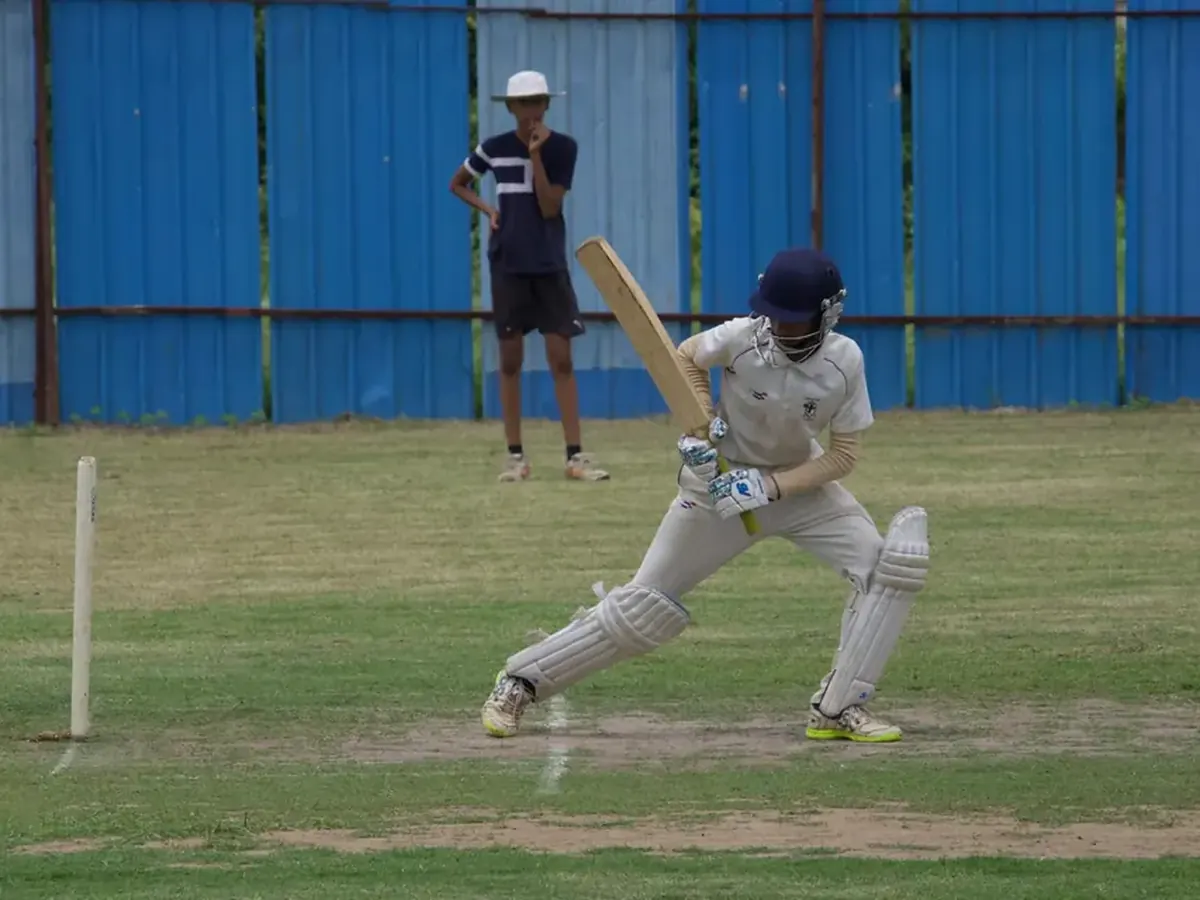
So, you’re settling in to watch a big day of Test cricket, the commentators are buzzing, and the first thing you see is the two captains walking out for… a coin flip? It might seem like a simple formality, but in cricket, the coin toss is a moment of high drama and strategic importance. It sets the entire tactical narrative for the match. This glossary breaks down all the key terms and concepts surrounding this crucial pre-match ritual, especially in the high-stakes context of England cricket.
Coin Toss
The formal ceremony at the start of a match where the visiting captain calls "heads" or "tails" as a coin is spun in the air. Winning the toss grants the captain the right to choose whether their team will bat or bowl first. This single decision can be influenced by pitch conditions, weather, and team strength.Bat First
The decision made by the winning captain to take the first innings with the bat. Teams often "bat first" on a dry, flat pitch to post a large total and apply scoreboard pressure. It’s a traditional approach seen as setting the game's foundation.Bowl First
The decision to take to the field and open the bowling after winning the toss. Captains may "bowl first" if the pitch is green, moist, or overcast, conditions that typically aid swing and seam bowlers like James Anderson and Stuart Broad early on.Pitch Report
An analysis of the playing surface conducted by experts before the toss. It assesses moisture, grass cover, hardness, and potential for deterioration. The England captain uses this report, alongside the weather forecast, to inform the crucial toss decision.Overhead Conditions
Refers to the weather and light during the match, particularly at the start. Cloud cover can significantly assist swing bowling, making "bowl first" a tempting option. Sunny conditions often favour the team batting first.Home Advantage
The benefit a team has from knowing the local pitch and climate intimately. At Lord's Cricket Ground, for example, the England and Wales Cricket Board (ECB) team uses its knowledge of how the pitch behaves over five days to make an informed toss call.The Ashes
The historic Test cricket series between England and Australia. Toss decisions in The Ashes are magnified in importance due to the intense rivalry and pressure, often directly influencing the outcome of an entire series.Declaration
A tactical move where a batting captain voluntarily ends their team’s innings before all wickets are lost. A good toss decision that leads to a large score can allow for a strategic declaration to maximise time to bowl the opposition out.Follow-on
A rule where the team batting second can be forced to bat again immediately if they trail by a certain margin (200 runs in a five-day Test match). Winning the toss and posting a huge total can create the opportunity to enforce the follow-on, exhausting the opposition.Heavy Roller
A very heavy piece of equipment used on the pitch before a day's play. The team batting first often chooses the heavy roller to compact the surface, potentially making it slower and more predictable for their batters.Nightwatchman
A lower-order batter sent in late in the day to protect a more valuable player from dismissal before the close. Toss decisions that lead to batting late on a tricky day often see a nightwatchman utilised.Bazball
The nickname for England's aggressive Test cricket approach under coach Brendon McCullum and captain Ben Stokes. This philosophy can influence toss decisions, with England often backing their aggressive batting to chase any total, making the toss feel less pivotal.Mental Advantage
The psychological edge gained from winning the toss and making a confident, proactive decision. It signals intent and can put the opposition on the back foot from the very first moment.Dew Factor
Primarily relevant in day-night cricket, this refers to evening moisture that makes the ball wet and slippery, hindering grip for bowlers. Winning the toss, a captain might choose to bowl first to avoid bowling during the heavy dew factor period later.Track
Another term for the pitch. A "green track" suggests plenty of grass aiding bowlers, while a "flat track" or "road" indicates a surface very favourable for batting. Reading the track is key to the toss decision.Utilising the Conditions
The act of maximising the advantage presented by the pitch and weather. A captain winning the toss aims to utilise the conditions best for their team’s strengths, whether that's batting on a dry pitch or unleashing their seamers on a green one.Toss Luck
The acknowledgment that winning or losing the toss can sometimes be purely down to fortune, especially in conditions heavily favouring one side. Even the best cricket captain tactics and decision-making can be undone by bad toss luck.Third/Fourth Innings Pitch
A pitch that has deteriorated over several days of play, often becoming more uneven and favourable to spin bowlers. Winning the toss allows a captain to plan for their key batters to avoid batting last on a difficult fourth innings pitch.Elect to Field
The formal phrase used by a captain who wins the toss and decides to bowl first. The captain will say, "We'll have a bowl," or "We elect to field."Batting Depth
The strength of a team's lower-order batters. A team with great batting depth, featuring players like Jonny Bairstow and Ollie Pope, might be more confident batting first in challenging conditions, knowing runs can come from anywhere.New Ball
The hard, shiny ball used at the start of an innings and available every 80 overs. The decision to bowl first is often about exploiting the new ball when it is at its most potent for swing and seam.Toss Bias
A statistical tendency for a specific ground or country to favour the team that wins the toss. Analysts and teams study toss bias data as part of their pre-match planning.Pitch Preparation
The work done by ground staff in the days leading up to a match. Home teams can influence pitch preparation to suit their own strengths, which in turn shapes the visiting captain's thinking at the toss.Timeless Test
A historical format of Test cricket with no predetermined finish date, played until a result was achieved. The toss in a Timeless Test was arguably even more critical, as the advantage could be exploited indefinitely.In summary, the humble coin toss is far from a 50/50 gamble in cricket. It’s a complex strategic decision point, intertwining meteorology, soil science, psychology, and deep tactical understanding. For the England team, whether embracing the fearless mindset of Bazball or navigating the unique pressures of The Ashes, the call of "heads" or "tails" is the first, and often one of the most telling, moves in the five-day chess game of a Test match.
Reader Comments (0)