

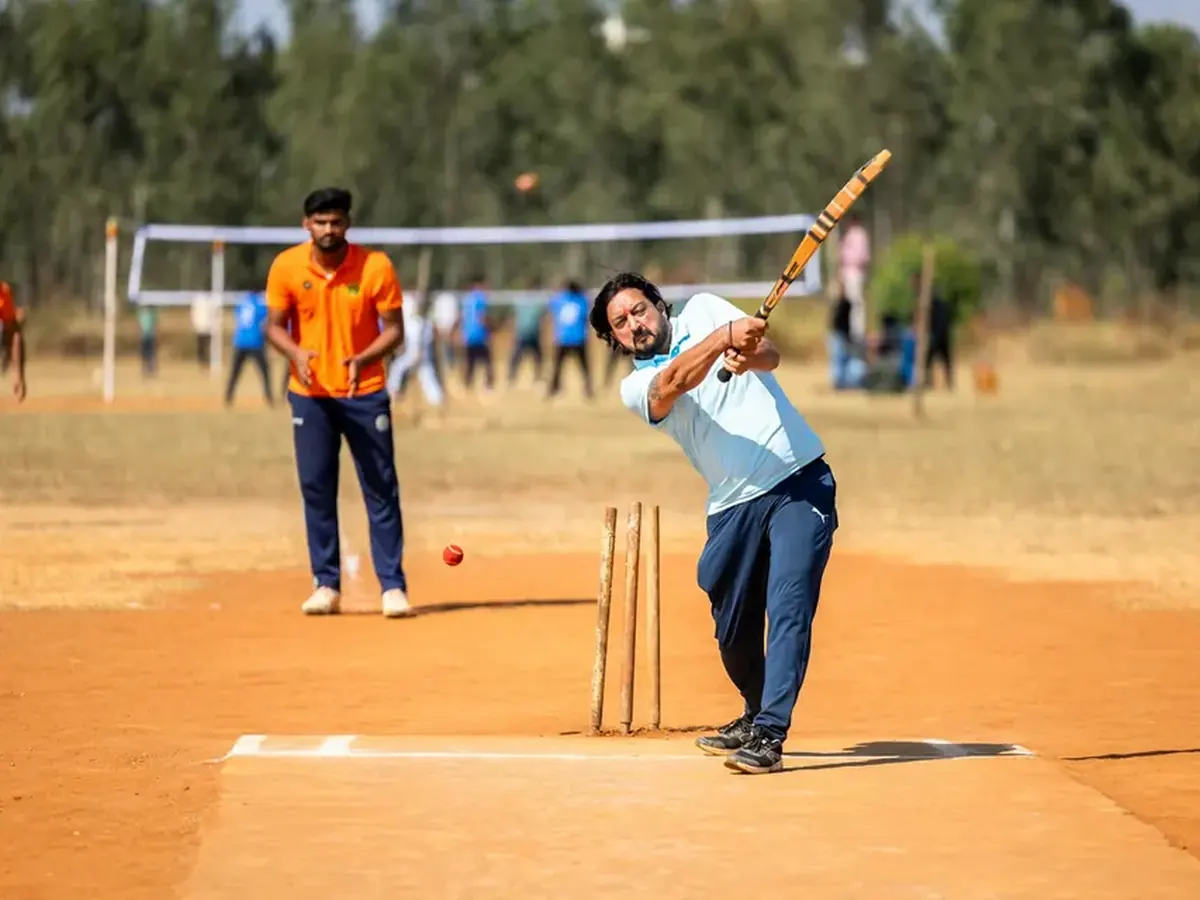
Navigating a player's return from injury is one of the most delicate and critical processes in international cricket. For the England Cricket Team, balancing the urgency of regaining a key player with the long-term duty of care involves a complex, multi-stage protocol. This glossary defines the key terms, procedures, and stakeholders involved in the England and Wales Cricket Board (ECB) selection process for returning players, a system under constant scrutiny during high-stakes events like The Ashes.
Fitness Test
A formal, standardized assessment conducted by ECB medical and conditioning staff to evaluate a player's physical readiness. These tests are sport-specific, measuring metrics like bowling speed, running between the wickets, agility, and power. Passing a fitness test is a non-negotiable prerequisite before a player is considered for selection, ensuring they can withstand the rigours of Test cricket.Return-to-Play Protocol
The structured, phased plan that guides a player from initial rehabilitation to full competitive match fitness. This ECB-mandated protocol typically progresses from individual net sessions to controlled intra-squad scenarios, then to second-team or County Championship cricket, before final clearance for international selection. The timeline is fluid and entirely dependent on the player's response at each stage.Medical Clearance
The official sign-off from the ECB's chief medical officer and the player's lead consultant, confirming the injury has healed and there is no undue medical risk in returning to play. This documentation is essential for the selection panel and indemnifies the board, shifting the decision from a purely medical one to a performance-based judgement.Selection Panel
The group responsible for the final decision on player selection, comprising the captain (e.g., Ben Stokes), the head coach (e.g., England Test coach Brendon McCullum), and the national selector. For a returning player, they rely heavily on medical reports and performance data but must also weigh tactical needs, particularly ahead of an Ashes series.Workload Management
The strategic monitoring and limitation of a player's physical output to prevent re-injury. For a returning fast bowler like James Anderson, this involves strict over-counts in matches and monitoring bowling intensity in nets. The panel uses this data to decide if a player can handle a five-day Test match or requires a managed re-introduction.Red-Ball Cricket
First-class, multi-day cricket, specifically the County Championship, which is considered the vital proving ground for players returning for the England Cricket Team's Test side. The selection panel strongly prefers evidence of form and durability in this format over white-ball performances before reinstating a player to the Test XI.Match Simulation
A high-intensity training drill designed to replicate the specific pressures of a match scenario. For a batter like Ollie Pope returning from a shoulder injury, this could involve facing England's frontline bowlers in a centre-wicket practice with fielders, testing both technique and confidence under simulated Test match conditions.Central Contract
An annual agreement between a player and the England and Wales Cricket Board (ECB) that provides remuneration and mandates exclusive availability for England duties. Holding a central contract gives the ECB greater control over a player's rehabilitation and return timeline, often prioritising national team requirements over county commitments.Cricket Discipline
The player's demonstrated ability to adhere to rehabilitation programmes, conditioning work, and technical adjustments during recovery. The selection panel, influenced by Ben Stokes and Brendon McCullum, highly values players who show professionalism and dedication in this phase, viewing it as indicative of their mental readiness.Performance Data
Objective metrics collected during rehabilitation and any competitive cricket played. This includes batting strike rates, bowling speeds and lengths, catch success rates, and biomechanical analysis. This data provides an evidence base for selection, moving the decision beyond subjective opinion.The Captain's Input
The significant influence of the England captain, currently Ben Stokes, on the final selection decision. Stokes’s view on a player's mental fortitude, fit within the team's culture, and tactical role is often pivotal, especially for a returning player slotting back into a settled side playing England's aggressive Test cricket approach.Coach's Recommendation
The formal assessment provided by the head coach, Brendon McCullum, to the selection panel. McCullum evaluates not just a player's technical readiness but also their alignment with the team's positive mindset and whether their return will disrupt or enhance the current squad's dynamic.Conditioning Block
A dedicated period of physical training, often away from competitive cricket, designed to rebuild a player's strength, resilience, and fitness base post-injury. A successful block, overseen by ECB strength coaches, is crucial for bowlers like Stuart Broad to ensure they can maintain intensity throughout a day's play.Psychological Readiness
An assessment of a player's mental state and confidence following injury. This is evaluated through conversations with the team psychologist, the captain, and the coach. For a wicketkeeper like Jonny Bairstow returning from a serious leg injury, confidence in movement and dismissal techniques is as vital as physical healing.County Assessment
A period where the player returns to their county side to prove fitness and form. The ECB selection panel liaises closely with county coaches and physios during this phase, using performances in the County Championship as the ultimate litmus test for Test cricket readiness.Risk vs. Reward Calculus
The final, judgement-based analysis performed by the selection panel. They must balance the potential benefit of a star player's return (e.g., Joe Root's batting class) against the risk of breaking down mid-match, which could harm the team's chances and the player's long-term career.Bio-Seam Assessment
A specific battery of tests for returning fast bowlers, analysing seam position, release points, and shoulder alignment at the crease. This ensures that a bowler like James Anderson has not developed a compensatory technical fault during rehabilitation that could lead to further injury.Net Bowler Evaluation
The feedback from facing bowlers in the nets and from bowlers who bowl at returning batters. Coaches and selectors observe how a returning batter handles short-pitched bowling or how a bowler's variations are coming out, providing informal but valuable performance insights.Tour Integration
For players returning during an overseas tour, a specific protocol for acclimatisation and integration. This may involve arriving early with the Lions squad, playing in warm-up fixtures, and proving adaptability to different conditions before being considered for the Test XI.Media Management
The coordinated plan between the ECB communications team and the player to handle public and press scrutiny during a return. Managing expectations and controlling the narrative is seen as part of protecting the player's focus, especially in the build-up to a series at Lord's.Re-injury Clause
A provision sometimes included in a player's return plan, outlining agreed-upon physical limits (e.g., a maximum number of overs in a spell) and the agreed response plan should discomfort arise. This formalises the workload management strategy for the initial matches back.The Ashes Factor
The acknowledged pressure to accelerate a key player's return for the iconic England vs Australia Test series. While the core protocol remains, the selection panel may accept a marginally higher degree of risk or shorten the County Championship assessment period due to the unique stakes of the contest.Long-Term Player Welfare
The overarching ECB principle that ultimately governs the process. While short-term gains are tempting, the protocol is designed to safeguard the player's career longevity. A decision must be justifiable from a duty-of-care perspective, even if it means a star misses a crucial match.The protocol for reintegrating injured players into the England national cricket team is a meticulous blend of sports science, performance analysis, and seasoned cricketing judgement. It requires constant communication between medical staff, the selection panel, and the leadership duo of Ben Stokes and Brendon McCullum. While the aggressive tempo of England's aggressive Test cricket approach demands key players, the system is fundamentally anchored in the sustainable principle of long-term player welfare, ensuring stars are fit to fight another day, especially for the battles that define careers, like The Ashes.
Reader Comments (0)