


The world of cricket is full of unique laws and quirky terms that can baffle even seasoned fans. As part of our Cricket Terminology Glossary here at The Pavilion, we're breaking down the rules that shape the modern game. Let's dive into one of the most exciting and game-changing regulations in the shorter formats.
Free Hit
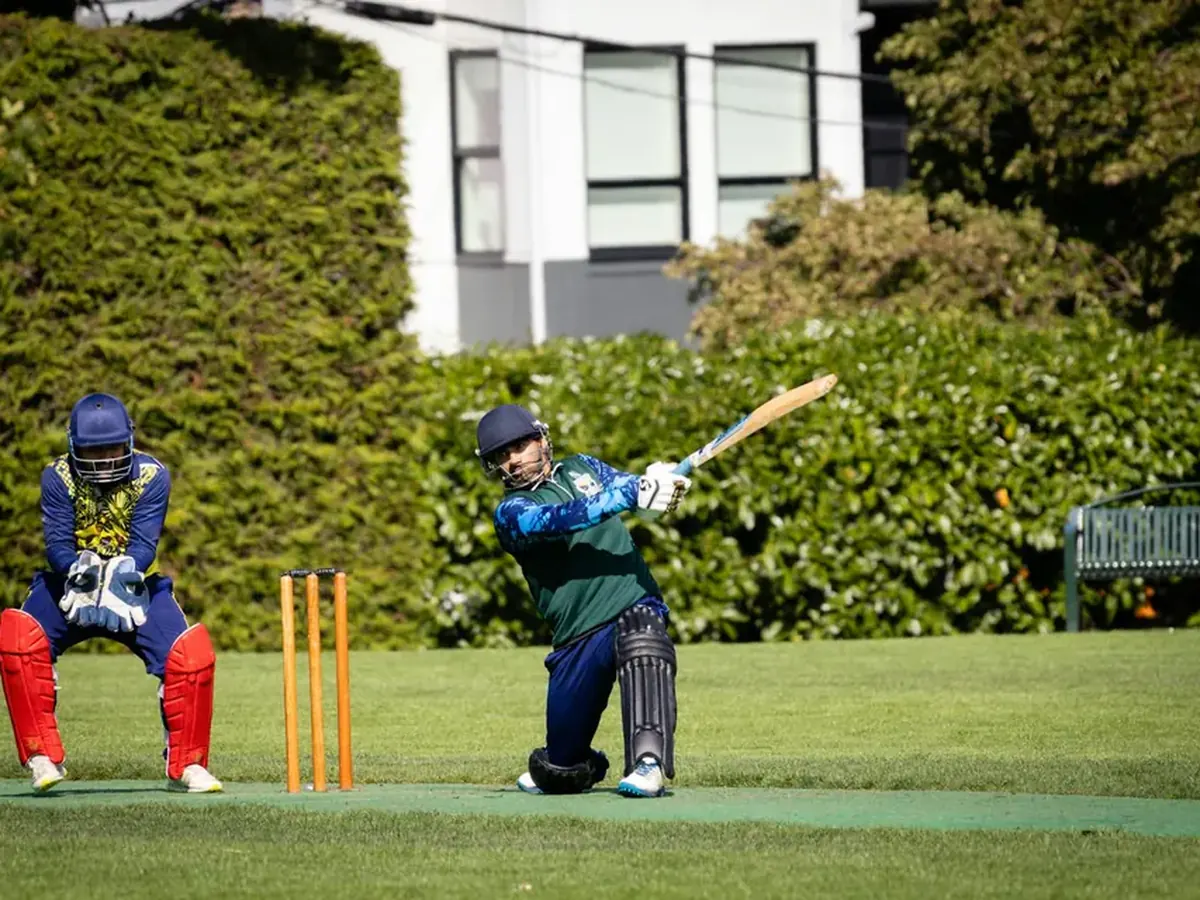
A free hit is a delivery in limited-overs cricket from which the batter cannot be dismissed in most ways. It is awarded to the batting team following a front-foot no-ball bowled by the fielding side. The rule adds a significant penalty for overstepping, turning a mistake into a major scoring opportunity.No-Ball
A no-ball is an illegal delivery bowled by the fielding side. The most common type is a front-foot no-ball, where the bowler's front foot lands beyond the popping crease. It results in one extra run being awarded to the batting team and, in limited-overs cricket, triggers a free hit for the next ball.Front Foot
The front foot refers to the bowler's foot that lands closest to the batter during their delivery stride. Its placement relative to the popping crease is crucial for determining a legal delivery. If it lands over the crease, a no-ball is called.Popping Crease
The popping crease is a line marked on the pitch, four feet in front of and parallel to the bowling crease. It is the key reference point for judging a bowler's front-foot no-ball and is also used in run-out and stumping decisions.Limited-Overs Cricket
Limited-overs cricket refers to matches where each team faces a predetermined maximum number of overs. This includes One Day Internationals (ODIs) and Twenty20 (T20) matches. The free hit rule is exclusive to these formats and is not used in Test cricket.One Day International (ODI)
A One Day International is a form of limited-overs cricket where each team faces 50 overs. Governed by the International Cricket Council (ICC), it is one of the two primary formats where the free hit rule is actively applied to penalize bowling infringements.Twenty20 (T20)
Twenty20 is the shortest international format, where each team bats for a maximum of 20 overs. Its fast-paced nature is amplified by rules like the free hit, which encourages aggressive batting and heavily penalizes bowling errors.Dead Ball
A dead ball is a state where the ball is not in play and no runs can be scored nor batters dismissed. The umpire will call and signal 'dead ball' in specific situations, such as if a bowler delivers a ball before the batter is ready following a free hit.Fielding Restrictions
Fielding restrictions, often called "powerplays," are rules limiting the number of fielders allowed outside the 30-yard circle during certain phases of a limited-overs innings. These restrictions are in play during a free hit, forcing the fielding captain to set an attacking field.30-Yard Circle
The 30-yard circle is a circular fielding restriction marked on the ground, with its centre at the middle of the pitch. During specific overs, a minimum number of fielders must be inside this circle, a rule that remains active for a free hit delivery.Dismissal
A dismissal occurs when a batter is ruled out by the umpire. On a free hit, the batter can only be dismissed in a few specific ways: run out, hitting the ball twice, obstructing the field, or stumped if they attempt a run and miss the ball.Run Out
Run out is a method of dismissal where the fielding side breaks the wicket with the ball while the batter is out of their ground. This is the most common way a batter can be dismissed from a free hit delivery, often when attempting an ambitious run.Leg Before Wicket (LBW)
Leg before wicket is a dismissal where the ball, which would have hit the wicket, is intercepted by any part of the batter's body (except the hand) without first hitting the bat. Crucially, a batter cannot be given out LBW from a free hit delivery.Caught
Caught is a dismissal where a fielder catches the ball on the full after it has hit the batter's bat or glove. Like LBW, a batter cannot be out caught from a free hit, allowing them to swing freely without that risk.Bowled
Bowled is a dismissal where the ball delivered by the bowler hits and breaks the wicket. This is not a valid form of dismissal from a free hit, meaning even if the ball smashes into the stumps, the batter continues to play.Stumped
Stumped is a dismissal where the wicketkeeper breaks the wicket while the batter is out of their ground, having missed the ball and not attempting a run. A batter can be stumped from a free hit, but only if they come down the pitch and miss while attempting a shot.Wide Ball
A wide ball is an illegal delivery judged by the umpire to be too far from the batter to be hit by a normal cricket shot. A wide does not trigger a free hit; only a front-foot no-ball does. However, a free hit delivery can itself be called a wide.Bye
A bye is a run scored when the ball passes the batter without touching their bat or body and the batters complete a run. Byes can be taken from a free hit delivery, adding to the pressure on the fielding side.Leg Bye
A leg bye is a run scored when the ball hits the batter's body (except the hand) and the batters complete a run. Leg byes can also be scored from a free hit, provided the batter attempted to play a shot.Powerplay
The powerplay is a set of overs in limited-overs cricket during which specific fielding restrictions apply. The rules of the current powerplay phase are still enforced during a free hit, influencing where fielders can be placed.Umpire's Signal
The umpire's signal is a set of gestures used to communicate decisions. For a free hit, the umpire at the bowler's end will signal a no-ball by extending one arm horizontally, then make a circular motion with the other hand above the head to indicate the next delivery is a free hit.Scoring Intent
Scoring intent refers to the aggressive mindset of a batter looking to score runs from every ball. The free hit rule maximises scoring intent, as batters like Jonny Bairstow or Ollie Pope can attack without fear of being caught or bowled.Match Situation
The match situation describes the state of the game, considering the score, overs remaining, and wickets in hand. A free hit awarded during a tense match situation, such as a close England vs Australia Test series in an ODI, can dramatically shift momentum.Tactical Error
A tactical error is a mistake in strategy made by a captain or team. Bowling a front-foot no-ball at a crucial moment, conceding a free hit, is considered a major tactical error due to the disproportionate advantage it gives the batting side.Batting Powerplay
The batting powerplay was a previous rule in ODIs where the batting team could choose a five-over period with heightened fielding restrictions. While this specific rule has changed, the concept of leveraging fielding rules during a free hit remains a key tactical consideration.The free hit rule is a brilliant piece of cricketing legislation that perfectly suits the aggressive, entertainment-driven nature of limited-overs cricket. It punishes bowling inaccuracies severely, rewards bold batting, and can turn the match situation on its head in an instant. For teams like the England national cricket team, known for embracing aggressive tactics across formats, capitalising on these moments is a non-negotiable part of their white-ball strategy. Understanding this rule is key to appreciating the high-stakes drama of every delivery in the modern ODI or T20 game.
Reader Comments (0)