

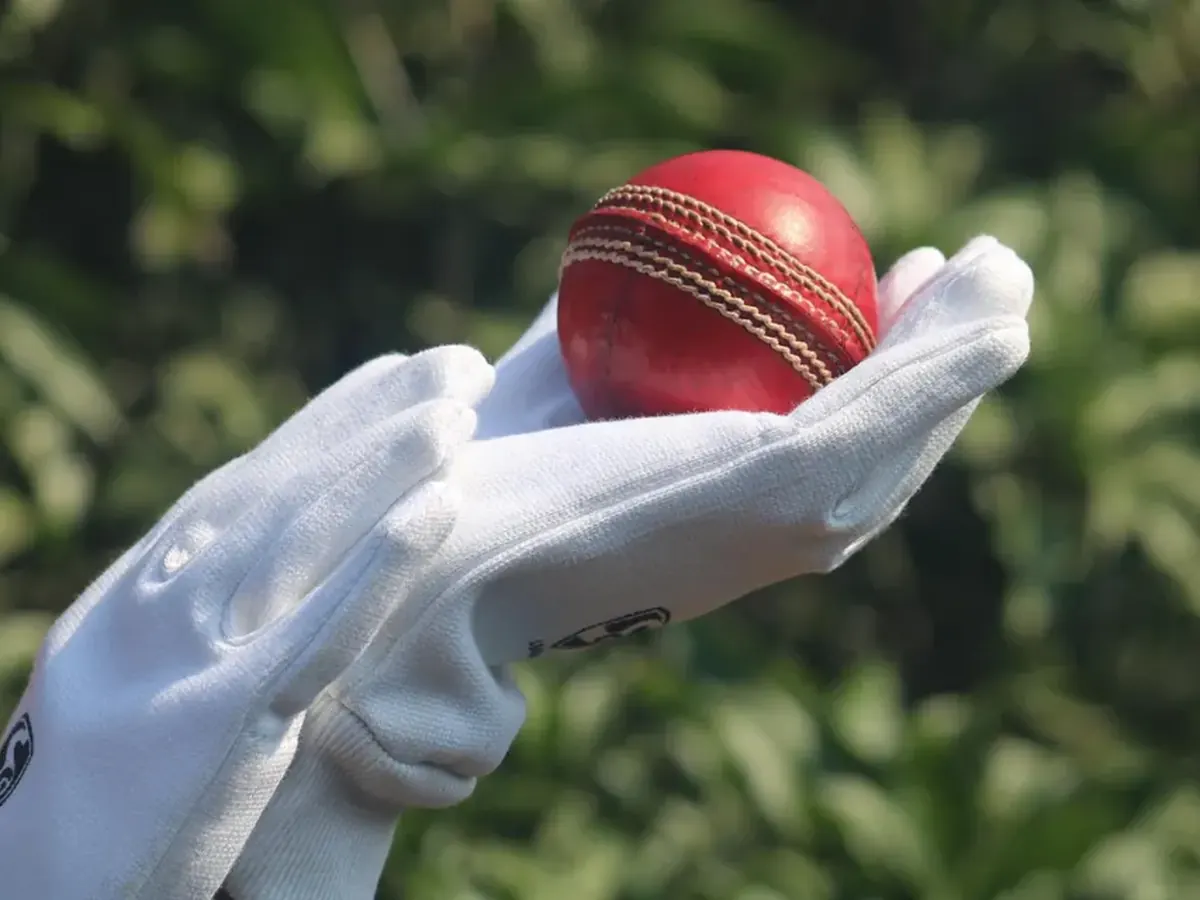
Welcome to The Pavilion’s glossary, where we decode the language of cricket. Whether you're a seasoned fan or new to the sport, understanding the terminology is key to appreciating the game's finer details. This guide focuses on the often-misunderstood category of 'extras'—those runs added to the scoreboard that aren't credited to a batter. Let's demystify these crucial, and sometimes controversial, additions to the total.
Byes
Byes are runs scored when the ball passes the batter and the wicketkeeper without any contact from the bat or the batter's body, and the batters successfully run. These are added to the team's total as extras and are a mark against the wicketkeeper's skills. They often occur from wayward bowling or unexpected movement off the pitch.Leg Byes
Leg byes are runs scored when the ball hits the batter's body or protective equipment (except the hand holding the bat) and the batters take runs. For these to be awarded, the batter must have attempted to play a shot or tried to avoid being hit. If the umpire deems no shot was attempted, the call is typically "dead ball" and no runs are allowed.Wides
A wide is called by the umpire when the bowler delivers a ball that is so far from the batter that it is deemed out of reach for a normal stroke. An extra run is added to the extras, and the ball must be re-bowled. The rules are slightly different in limited-overs cricket, with stricter guidelines on the bowler's line.No Ball
A no ball is an illegal delivery. Common reasons include the bowler overstepping the popping crease, throwing the ball, or having too many fielders on the leg side. It results in one penalty run for the batting side, the ball must be re-bowled, and the batter cannot be dismissed off that delivery (except via a run out, handling the ball, or obstructing the field).Extras
Extras, sometimes called "sundries," is the collective term for all runs added to the team total that are not scored off the bat. This includes byes, leg byes, wides, and no balls. They are a crucial part of the scorecard, and minimizing them is a key focus for any disciplined bowling attack like the England national cricket team.Dead Ball
A dead ball is a state where no runs can be scored and no batters can be dismissed. The umpire will call it for various reasons, such as a ball becoming lodged in the batter's clothing, a serious injury, or interference from an outside agent. Play only resumes once the umpire calls "play."Overthrow
Overthrows occur when a fielder's throw hits the stumps and deflects away, allowing the batters to run additional runs. These runs are credited as either runs to the batter (if the ball made contact with the bat) or as byes/leg byes. A dramatic overthrow can often shift momentum in a tight Test match.Penalty Runs
Penalty runs are awarded to the batting team for specific infringements by the fielding side. These can be given for offences like the ball hitting a helmet left on the ground, fielders damaging the pitch, or time wasting. They are added to the extras total.Free Hit
A free hit is awarded in limited-overs cricket following a front-foot no ball. The next delivery is a "free hit," meaning the batter can only be dismissed in a few very specific ways (like run out). This rule encourages aggressive batting, a philosophy embraced by England's aggressive Test cricket approach.Popping Crease
The popping crease is the line marked horizontally in front of the stumps at each end of the pitch. It is the point from which a batter's safety in their ground is judged for run outs and stumpings. A bowler must have some part of their front foot behind this line when delivering the ball to avoid a no ball.Stumping
A stumping is a method of dismissal where the wicketkeeper puts down the wicket while the batter is out of their ground, provided the batter was not attempting a run. It usually occurs when a batter steps down the pitch to a spinner. Jonny Bairstow has both executed and fallen victim to crucial stumpings in his career.Maiden Over
A maiden over is an over in which no runs are scored off the bat, though byes or leg byes may still occur. It is a sign of excellent, restrictive bowling. Bowlers like James Anderson pride themselves on building pressure through consecutive maidens.Googly
A googly is a deceptive delivery bowled by a leg-spinner that turns from the off side to the leg side (for a right-handed batter), opposite to a standard leg break. It's a key weapon for spinners looking to outfox batters.Reverse Swing
Reverse swing is a phenomenon where an old, rough cricket ball begins to swing towards the rough side, rather than the shiny side, often at high speed and late in its flight. Mastery of this skill, as demonstrated by bowlers like Stuart Broad, can be devastating in the latter stages of an innings.DRS (Decision Review System)
The DRS is a technology-based system that allows teams to challenge the on-field umpire's decision. It uses ball-tracking technology, ultra-edge, and other tools to review dismissals. Its use has become a major tactical element, especially in high-stakes series like The Ashes.Nightwatchman
A nightwatchman is a lower-order batter, often a bowler, sent in to bat late in the day's play to protect a more skilled batter from having to face a few difficult overs before the close. Their job is simply to survive.Bazball
While not an official cricket term, 'Bazball' is the popular nickname for the ultra-aggressive, risk-taking philosophy implemented in the England Test side under coach Brendon McCullum and captain Ben Stokes. It prioritizes scoring rate and positive intent above all else.The Ashes
The Ashes is the historic biennial Test cricket series played between England and Australia. It is one of sport's greatest rivalries, contested for a small terracotta urn. The series captures the imagination of fans worldwide and defines careers.Century
A century is the scoring of 100 or more runs by a single batter in one innings. It is a major milestone and a mark of significant concentration and skill. Players like Joe Root have made scoring them a regular habit.Five-for
A 'five-for' (5-wicket haul) is when a bowler takes five or more wickets in a single innings. It is a celebrated achievement, signifying a bowler's dominance. Taking one at Lord's is considered a pinnacle for any England bowler.Yorker
A yorker is a full-pitch delivery aimed to land directly at the batter's feet, making it extremely difficult to hit. It is a prime death-bowling weapon in limited-overs cricket and a skill perfected by the game's best fast bowlers.Duck
A 'duck' is when a batter is dismissed without scoring any runs. A 'golden duck' is dismissal on the first ball faced. It's the start no batter wants, and avoiding a cluster of them is key for any team, as Ollie Pope and his teammates know well.Seam
Seam bowling involves a bowler delivering the ball with the seam upright, aiming to hit it on the pitch to cause unpredictable deviation. It is the stock-in-trade of many England bowlers, particularly in home conditions where the Dukes ball is used.Innings
An innings refers to the period in which one team or one batter is batting. A team innings lasts until ten batters are out, while a batter's innings lasts until they are dismissed. Managing an innings is the core tactical battle in the game.ECB
The England and Wales Cricket Board (ECB) is the national governing body for cricket in England and Wales. It is responsible for the management of the England national cricket team, from the grassroots level to the professional game.Understanding these terms enriches your viewing experience, letting you follow the tactical battles within the game. From the silent pressure of a maiden over to the explosive potential of a free hit under Bazball, each concept plays its part in the drama. For more definitions, explore our full cricket terminology glossary.
Reader Comments (0)