


For all the drama and glory of a home summer at Lord's, a harsh truth has followed the England Cricket Team for decades: they often struggle to replicate that success abroad. While Bazball has brought thrilling victories and a new mindset, familiar old questions resurface on overseas tours. The ball doesn’t swing, the pitch doesn’t seam, and the scoreboard pressure feels different.
This isn't just about talent. It’s a complex puzzle of preparation, technique, and mentality. So, let's roll up our sleeves and troubleshoot. Why does the England national cricket team so often find itself in a sticky situation away from home, and what can be done about it? Think of this as your practical guide to diagnosing and fixing England's overseas ailments.
Problem: The "Green Seamer" Dependency
Symptoms: A potent, world-class bowling attack at home—led by stalwarts like James Anderson and Stuart Broad—becomes less threatening on flat, hard pitches. The batters, conversely, look less certain when the ball isn't nipping around. There's a palpable sense of waiting for conditions to "become English," which often never happens.
Causes: This is a classic case of environmental conditioning. The ECB team plays a huge amount of cricket in conditions that favour seam and swing. Pitches at home are often prepared to aid the home bowlers, creating a feedback loop. Batters grow up facing this movement, and bowlers hone their skills to exploit it. When presented with slow turn in India or relentless bounce in Australia, the muscle memory and default plans can be wrong.
Solution:
- Acknowledge the Specialisation: First, accept that being brilliant in one set of conditions is a skill, but not a universal one. The goal is to become adaptable.
- Diversify Home Conditions: The England and Wales Cricket Board (ECB) and groundsmen could consciously prepare more varied pitches during the domestic season. Not every county pitch needs to be a green-top.
- Targeted Skill Drills: Bowling units need to practice creating threat without swing—mastering reverse swing, developing ruthless consistency for "dry" spells, and bowling more seam-up on hard surfaces. Batters must spend hours facing high-quality spin on rough tracks and extreme pace/bounce in practice suites.
- Mindset Shift: Ben Stokes and Brendon McCullum have started this. The message must be: "We attack these conditions, we don't wait for them to change."
Problem: The Collapsing Top Order
Symptoms: Early wickets, often in clusters. Scores like 20/3 or 50/4, putting immense pressure on the middle order. Players like Ollie Pope or Joe Root are constantly walking in to rescue operations rather than building on platforms.
Causes: Technical flaws are magnified overseas. A front-foot trigger movement designed for Lord's might leave you trapped on the crease in Brisbane. A tendency to play with hard hands at home can lead to edged drives that carry to slip in Perth. There's also a mental cause: the heightened sense of occasion in an Ashes series abroad or a tour to India can lead to tight, nervous starts instead of the intended positive intent.
Solution:
- Pre-Tour Immersion: Arrive much earlier. Use the A-team tours aggressively to give prospective Test players extended time in the conditions. It’s about resetting your internal "pace clock."
- Personalised Technical Tweaks: Batting coaches must work individually. Does a player need to stand taller against bounce? Do they need to commit further forward or back to spin? It’s not about overhauling techniques, but about adaptable setups.
- Embrace the "Dull" Start: Part of England's aggressive Test cricket approach could be redefining what "positive" means. Leaving well and wearing down the new ball with defensive certainty on Day 1 overseas is a highly aggressive act—it drains the opposition. Root is a master of this blend.
Problem: The Kookaburra Ball Conundrum
Symptoms: The bowling attack struggles to maintain pressure after the first 15-20 overs. The ball goes soft, stops swinging, and the game enters a long, flat period where run-scoring becomes easier for the opposition. The control of Anderson is still there, but the wicket-taking threat diminishes.
Causes: Simply put, they don't use the Kookaburra ball at home. The Dukes ball, used in England, has a more pronounced seam and retains its condition for longer, allowing for sustained conventional swing. The Kookaburra has a smaller, less rigid seam that flattens quickly. England's bowlers are masters of the Dukes; the Kookaburba requires different methods.
Solution:
- Domestic Introduction: Advocate for the use of the Kookaburra ball in specific blocks of the County Championship. This isn't about replacing the Dukes, but about giving every bowler in the country 30-40 overs of experience with it each season.
- Specialist Skill Development: Bowlers must become experts in "keeping the ball dry" on one side to promote reverse swing later. They need to practice cutting the ball, bowling cross-seam to extract uneven bounce, and developing slower-ball variations for when the pitch is dead.
- Attack Rotation: Recognise that 10-over spells might be less effective. Shorter, more explosive 4-5 over spells from a larger pool of bowlers could keep the ball newer for longer and maintain intensity. This is where the depth of England's fast-bowling history becomes crucial.
Problem: The Spin Department Disconnect
Symptoms: An over-reliance on part-time spin, or a lone front-line spinner who is tasked with containing rather than attacking. Meanwhile, opposition spinners run through the England batting lineup. The contrast in impact is often the defining difference in a series.
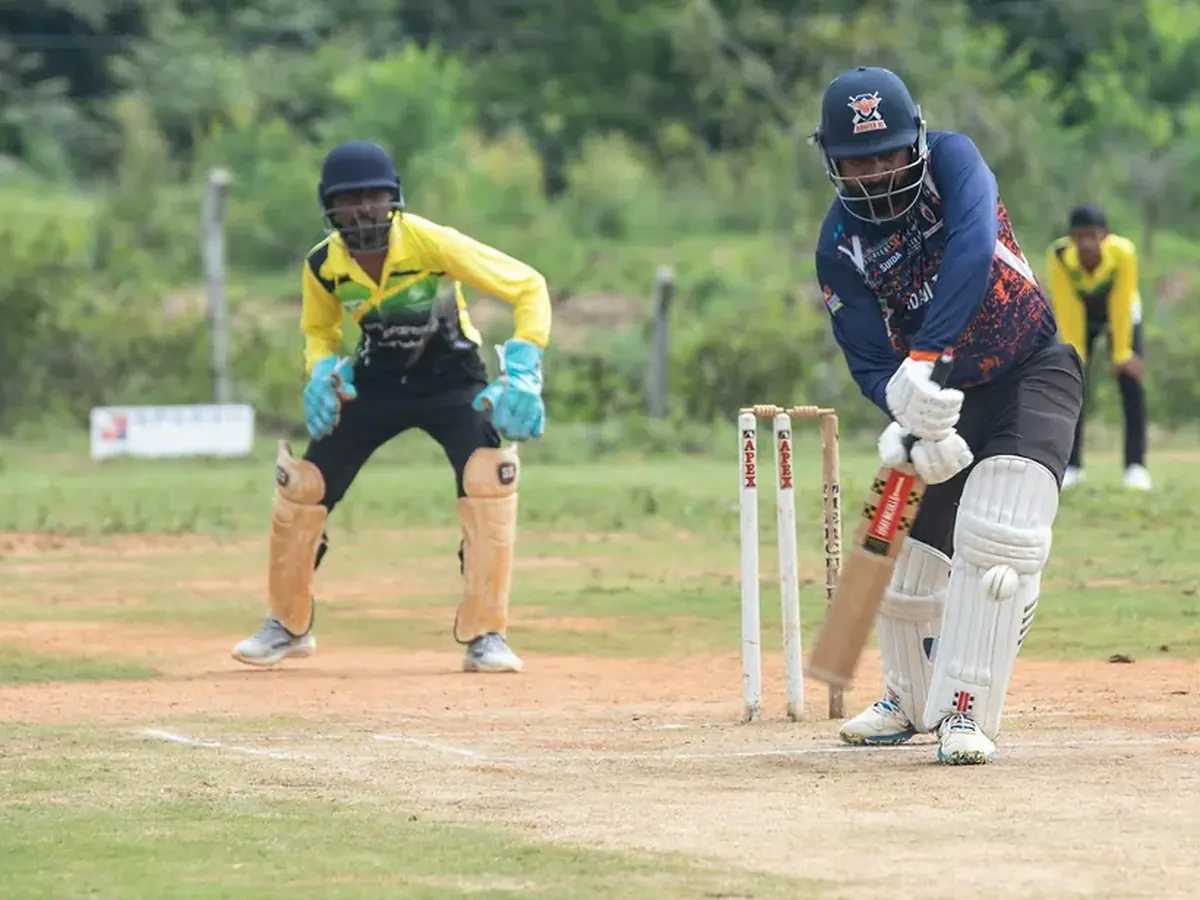
Causes: The English system does not naturally produce world-class Test match spinners. Conditions rarely demand it, so the development pathway is skewed. Young spinners are often coached to "hold an end up" in limited-overs cricket, not to rip the ball and attack with fields. When selected for tours, they can be undercooked and lack the tactical guile bred in spin-welcoming countries.
Solution:
- Identify and Nurture Earlier: The scouting system must proactively identify rare spin talent and fast-track it, even if that means sending them abroad to league cricket in Asia or Australia during the English winter.
- Create Spin-Friendly Pitches at Home: We mentioned varied pitches earlier—this is the most critical area. Counties must be incentivised to produce turning tracks occasionally. Batters need to learn to bat on them, and spinners need to learn to bowl on them.
- Mentorship: Hire great spinners from overseas as coaches, not just for the national team but throughout the age-group pathways. Learning the craft from someone who has done it at the highest level is invaluable.
Problem: The Mental Weight of History
Symptoms: A sense of "here we go again" when early setbacks occur on tour. Seemingly resilient players make uncharacteristic errors under pressure. The narrative of "England's overseas woes" becomes a self-fulfilling prophecy, especially in places like Australia where the crowd and media intensity is ferocious.
Causes: History is heavy. The record books don't lie, and players are human. They read the headlines. The unique pressure of an England vs Australia Test series in Australia is immense. Previous failures, both team and individual, can create subconscious doubt that undermines the "fearless" brand of cricket.
Solution:
- Own the Narrative: This is where Stokes and McCullum are revolutionary. Their approach actively seeks to dismiss history. The focus is relentlessly on the present moment, the next ball, the next game. This needs to be drilled into the squad culture.
- Simulate Pressure: Preparation shouldn't just be about technical work. Use crowd noise in training, create high-stakes intra-squad games with specific targets, and employ sports psychologists to build mental resilience tailored to the touring environment.
- Celebrate Small Wins: On a tough tour, redefine success. Winning a session, a partnership that blunts the attack, a bowler's spell that changed momentum. Focusing on these micro-battles can build belief and chip away at the historical monolith.
Prevention Tips: Building a Tour-Proof Team
How does the England Cricket Team stop these problems from recurring every cycle?
Schedule Smarter: Lobby the ICC for more meaningful warm-up matches against strong local sides, not just fixture-fillers. Use A-tours as genuine shadow tours. Develop All-Condition Players: Selection should increasingly reward players who show aptitude abroad, not just those who pile up runs and wickets at home. Embrace Data Differently: Use pitch and condition data not to fear what's coming, but to demystify it. What exactly does a Mumbai pitch do on days 2 and 3? Prepare for that reality. Empower the Captain-Coach Axis: The Stokes-McCullum partnership shows the value of clear, unified leadership. Their aggressive philosophy must be the non-negotiable starting point for every tour, adaptable in method but not in spirit.
When to Seek Professional Help
In our troubleshooting analogy, sometimes you need to call in the experts. For the England men's cricket team, this means:
When the Batting Collapses Become Chronic: If, after multiple tours, the same technical dismissals keep occurring (e.g., repeated catches on the leg-side against spin), it’s time for an intensive, specialist-led technical intervention. When Bowling Plans Consistently Fail: If the attack looks one-dimensional and incapable of taking 20 wickets on good pitches, the expertise of legendary bowlers from those regions should be formally embedded in the coaching setup for the tour. When the "Bazball" Ethos Falters Under Fire: The approach will have setbacks. But if the team retreats into its shell and abandons its principles at the first sign of trouble overseas, it’s a sign the mentality hasn't been fully embedded. This requires a reset from the leadership group and potentially deeper psychological work.
The challenge of winning overseas is the ultimate test of a great Test match side. For England, the problems are identifiable and, crucially, solvable. It requires a blend of bold administration, smart preparation, and an unwavering commitment to the adaptable, aggressive identity they are building. The journey to becoming true citizens of the cricketing world continues, one pitch at a time.
For more on the culture and history that shapes this team, explore our hub on Team Culture & History. And to understand the legacy this bowling attack is part of, delve into the stories of England's Pace Legends.*
Reader Comments (0)