

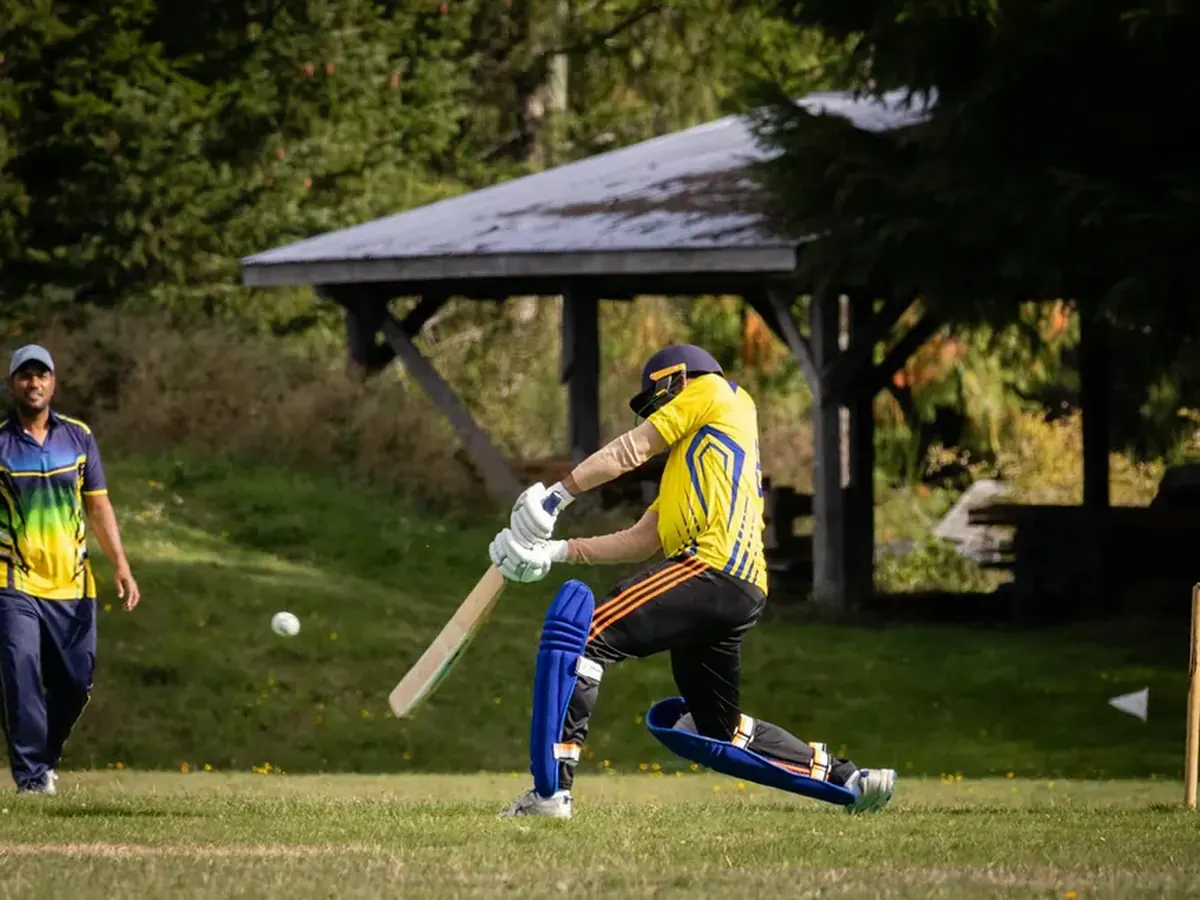
Ever watched a Test match and wondered why a player is having a long chat with the umpire about their bat? Or why a ball change can suddenly swing the momentum of a game, like it so often does for England seamer James Anderson? The truth is, cricket isn't just about skill; it’s a game bound by a detailed rulebook, and a huge part of that rulebook is dedicated to equipment.
Whether you're a budding player inspired by England's aggressive Test cricket approach or a fan wanting to understand the finer details of the game, knowing the equipment regulations is key. It explains so much: why Ben Stokes might change his gloves, the specific shine Stuart Broad seeks on the ball, and even the limits within which Joe Root crafts his reverse sweeps.
This guide will walk you through the essential regulations for bats, balls, and protective gear as laid out in the Laws of Cricket. By the end, you'll have a clear, practical checklist of what’s legal, what’s not, and why it all matters—whether you're playing at the park or watching the England national cricket team at Lord's.
What You'll Need
To get the most out of this guide, it helps to have: A basic understanding of how cricket is played. The Laws of Cricket (we’ll reference them, but you don’t need the full document). A curious mind! We’ll link these rules to real-game scenarios involving the ECB team.
Your Step-by-Step Guide to Cricket Equipment Rules
Let's break down the regulations into three core areas: the weapon, the projectile, and the armour.
Step 1: Understanding Bat Regulations (The Weapon)
The cricket bat is the batter’s primary tool, and its dimensions are strictly controlled to maintain a balance between bat and ball.
Dimensions: The bat must not be longer than 38 inches (96.52 cm) and the blade cannot be wider than 4.25 inches (10.8 cm). The edges are regulated too—they can’t be more than 1.56 inches (4 cm) thick. This prevents the modern-day "bats" that could otherwise resemble tree trunks! Materials: The blade must be made of wood. Traditionally, it’s English willow, but other woods like Kashmir willow are permitted. The handle is usually cane with rubber grips for shock absorption. The back of the blade can have protective coverings, but these cannot be more than 1/16 inch thick. What’s NOT Allowed: You cannot add any material to the bat that would unfairly give it more power, like a spring-like effect, or that would damage the ball. Tape on the blade is only permitted for repair or to prevent damage—not to enhance performance. Think of it this way: when Ollie Pope walks out to bat, his skill, not his bat’s technology, is what defines his innings.
Pro Link to the Game: The England and Wales Cricket Board (ECB) enforces these regulations at all professional levels. A bat that doesn’t comply can be confiscated by the umpires, a nightmare scenario in a tight Ashes series.
Step 2: Demystifying Ball Regulations (The Projectile)
The cricket ball is a crafted piece of sports equipment, and its condition is central to the contest, especially in Test matches.
Weight & Size: A men’s cricket ball must weigh between 5.5 and 5.75 ounces (155.9 - 163g) and have a circumference between 8.81 and 9 inches (22.4 - 22.9 cm). Women’s and junior balls are slightly smaller and lighter. Condition & Maintenance: This is where it gets tactical. The fielding side is responsible for maintaining the ball, but within strict limits. They can polish it, but only with natural substances (like sweat or saliva—though hygiene regulations have evolved). They cannot rub it on the ground or pick at the seam to alter its condition unfairly. Ball Change: The umpires will change the ball if it becomes lost, damaged, or goes out of shape. They can also change it if they believe it has been illegally tampered with. The replacement should be a ball of similar wear.

Pro Link to the Game: The art of swing bowling, mastered by bowlers like Anderson, depends entirely on maintaining one side of the ball smooth and shiny while letting the other rough up naturally. Any artificial alteration is illegal ball-tampering. The drama of a ball change, offering a harder, newer ball, can be a pivotal moment, potentially halting a partnership between players like Jonny Bairstow and Ben Stokes.
Step 3: Knowing Protective Gear Rules (The Armour)
Safety is paramount, and the regulations around protective gear ensure players are shielded without the gear itself becoming an unfair advantage.
Helmets: For professional batters, wicketkeepers standing up to the stumps, and fielders in close positions, helmets meeting the latest British Safety Standards (BSI) are mandatory. The grille must be strong enough to withstand the impact of a cricket ball. Pads & Gloves: Leg pads cannot be too wide or too long—they are designed to protect the legs, not to act as a second line of defence for the stumps. Batting gloves are heavily padded but must not have webbing between the fingers (unlike wicketkeeping gloves) which could unfairly stop the ball. Other Protection: Arm guards, thigh pads, chest guards, and boxes (abdominal guards) are all permitted for safety. There are no major dimensional restrictions here, as their primary purpose is protection. For a wicketkeeper like Bairstow, their specialised, webbed gloves are a crucial part of their toolkit.
Pro Link to the Game: The sight of a batter like Joe Root confidently taking on fast bowling is only possible because of the trust he has in his protective equipment. Under the guidance of England Test coach Brendon McCullum, players are encouraged to play without fear, and certified, reliable gear is the foundation of that mindset.
Pro Tips & Common Mistakes to Avoid
Don't Assume "Professional" Means "Legal": Even at the top level, equipment is checked. Always check the manufacturer’s specifications and look for relevant safety standard stamps (like BSI on helmets). The Umpire is the Final Judge: If in doubt, ask the umpire before the game starts. It’s better to get your bat or helmet approved during warm-ups than to be dismissed because of illegal equipment. Ball Maintenance is a Team Effort: In the field, everyone should know the legal ways to shine the ball. Rubbing it on your trousers is fine; using a fingernail on the seam is not. Protective Gear is Personal, But Must Be Safe: While you can choose lighter or heavier pads based on preference, never compromise on a helmet’s certification. It’s not worth the risk. Link to the Spirit: Remember, adhering to equipment regulations is part of playing within the spirit of cricket. The England national cricket team under Stokes and McCullum plays hard, but it plays fair.
Your Quick-Fire Equipment Checklist
Before you walk onto the field—whether it’s at the Home of Cricket or your local oval—run through this list:
The Bat:
- Blade length is within 38 inches.
- Blade width is no more than 4.25 inches.
- It is made of wood (no metal reinforcements!).
- Any tape on the blade is for repair only.
- It is the correct weight and size for the match.
- You are shining it only with natural substances (no artificial roughing).
- You understand what constitutes illegal damage (picking the seam, scratching the surface).
- Your helmet has a visible, up-to-date safety standard mark (e.g., BSI).
- Pads are a reasonable size for protection.
- Batting gloves have no illegal webbing.
- All gear is in good condition, with no broken straps or cracks.
Want to decode more of cricket's unique language? Head over to our cricket terminology glossary. And if you're fascinated by the smaller details that change games, learn about the runs scored from cricket extras like byes and leg byes.
Reader Comments (0)